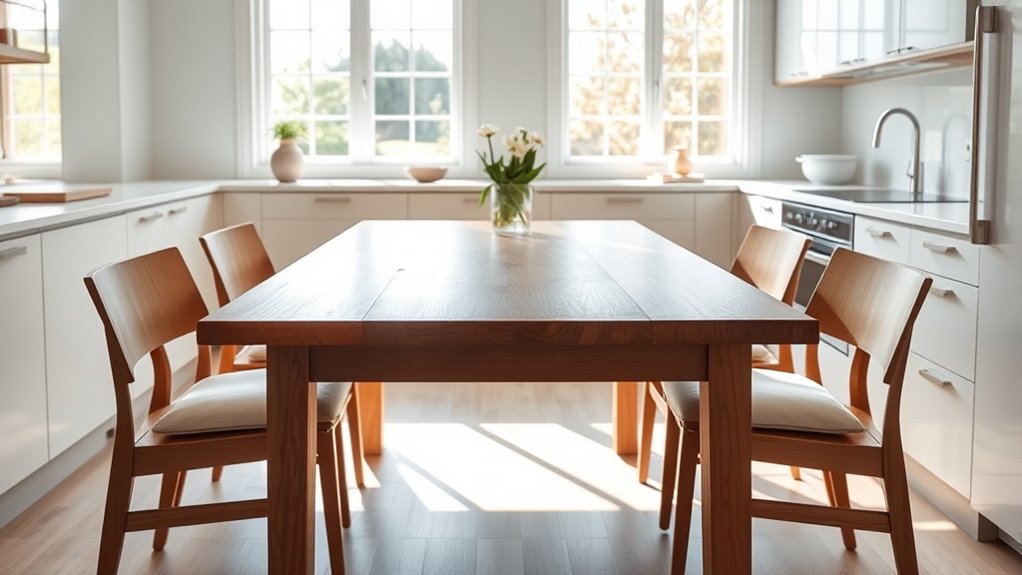
What Is the Ideal Size for a Kitchen Table?
Finding the perfect kitchen table can feel tricky, especially when you want something that fits just right without overcrowding your space. You’re not alone—many people struggle to balance style, comfort, and practicality in their kitchen.
Luckily, understanding the ideal size for a kitchen table can make this decision a whole lot easier.
You’ll want a kitchen table that fits your space while leaving at least 36 inches around it for easy movement. Standard tables range from 36×48 inches for smaller setups to 36×72 inches for larger ones, with heights between 28 and 30 inches.
Choose a shape that suits your style and room layout, rectangular for gatherings or round for coziness. Match table size with chair dimensions for comfort.
Keep these basics in mind as you investigate how to optimize your kitchen’s flow and seating.
Key Takeaways
- The ideal kitchen table size leaves at least 36 inches of clearance around for comfortable movement and accessibility.
- Standard table heights range between 28 and 30 inches to accommodate most dining chairs comfortably.
- Small kitchens benefit from round or square tables between 36 and 48 inches in diameter. These shapes save space and enhance conversation.
- Rectangular tables from 36×48 to 36×72 inches suit larger gatherings and wall placement needs.
- Allow at least 24 inches of width per chair and 10 to 12 inches of clearance between the chair seat and table height for comfort.
How To Measure Your Kitchen Space For The Right Table Size
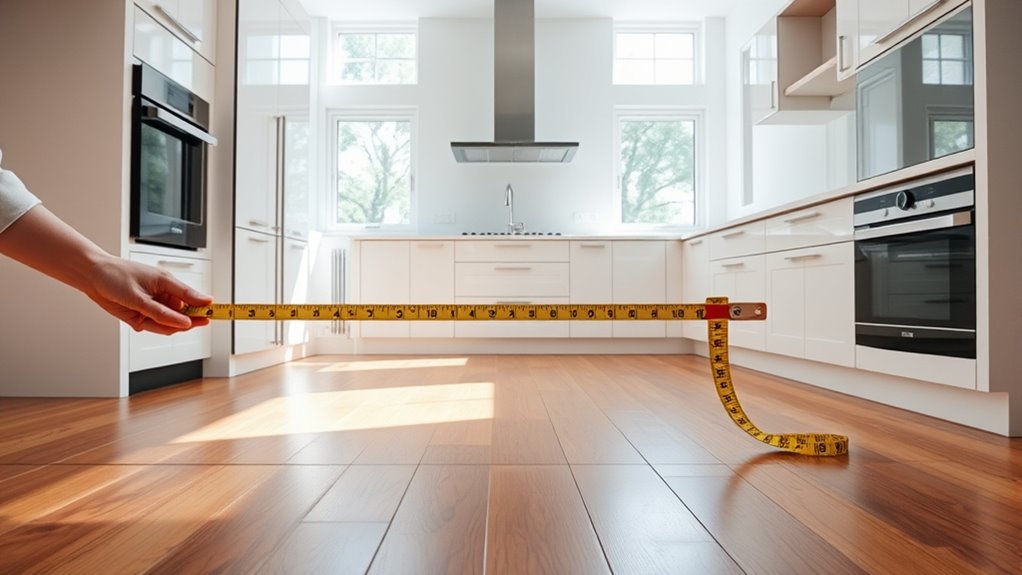
Before you pick out a kitchen table, you’ll want to measure your space carefully to guarantee a good fit. Start by measuring the length and width of your kitchen area where the table will sit. Leave at least 36 inches around the table for comfortable movement and seating.
Don’t forget to account for other furniture, doors, and windows that might affect placement. Once you have your measurements, you can choose a table size that complements your room without overcrowding it.
Consider how decorative accents like rugs, lighting, or wall art will interact with your chosen table size, enhancing the overall look. Also, think about maintenance tips for your table’s material; a larger table might require more upkeep, so make sure you’re comfortable with that.
What Are Standard Kitchen Table Dimensions?
When selecting a kitchen table, knowing the standard dimensions can help you find one that fits your space and meets your needs. Most kitchen tables are around 28 to 30 inches high, which is comfortable for most people when paired with standard chairs.
For rectangular tables, common sizes range from 36 by 48 inches for a small four-seater to 36 by 72 inches or larger for six to eight people. Round tables typically have diameters between 36 and 48 inches, offering a cozy option that complements many kitchen decor styles.
Choosing a standard-sized table also makes table maintenance easier since you can find compatible covers and accessories without hassle. Plus, sticking to these dimensions ensures your table won’t overwhelm your kitchen or feel cramped.
How Many People Should Your Kitchen Table Seat?
Understanding the size of your kitchen table is only part of the equation; you also need to take into account how many people it should comfortably seat. Think about your daily routine and the number of family members or guests you usually have. A table that seats four is perfect for small families, while six or eight seats suit larger gatherings. Make certain to leave enough space around the table for easy movement and chair placement.
When planning seating, consider how decorative accents like placemats or centerpieces affect available space. Avoid overcrowding the table, which can make mealtime less enjoyable. Also, keep maintenance tips in mind. Larger tables may require more effort to clean and upkeep, especially with intricate designs or finishes.
Prioritize both functionality and style to create a welcoming, practical area that fits your needs without sacrificing visual appeal. This balance ensures your kitchen table serves as a comfortable hub for meals and memories.
How To Choose The Best Table Shape For Your Kitchen
Choosing the best table shape for your kitchen depends on how you use the space and the room’s layout. If you often host gatherings, a rectangular table offers ample seating and fits well along walls.
For smaller kitchens, round or square tables save space and encourage conversation without sharp corners getting in the way. Consider your decor style. Modern kitchens might benefit from sleek, minimalist shapes, while rustic spaces pair well with sturdy, farmhouse-style tables.
Material durability also matters. A solid wood table suits classic styles and stands up to daily use, while metal or glass options complement contemporary decor but may require more care.
Ultimately, pick a shape that balances your functional needs with aesthetic preferences, ensuring it complements your kitchen’s flow and vibe. Taking these factors into account guarantees your kitchen table not only fits perfectly but also improves the overall look and feel of your space.
How To Balance Table Size With Room Traffic Flow
Although a large table might seem ideal for meals and gatherings, you’ll need to make certain it doesn’t block pathways or make moving around the kitchen difficult. To balance table size with room traffic flow, leave at least 36 inches of clearance around the table. This space ensures everyone can navigate comfortably without disrupting dining etiquette or accidentally disturbing the table setting.
Remember, guests should be able to pull out chairs and move freely without bumping into walls or appliances.
When planning, consider how often you host and the typical number of diners. A table that’s too big can crowd your kitchen, while one that’s too small may feel cramped during meals.
Prioritize smooth movement, so you and your guests can enjoy meals with ease and respect for proper dining etiquette. Striking this balance boosts both function and comfort in your kitchen space.
Sizing Tips For Small Kitchens And Limited Spaces
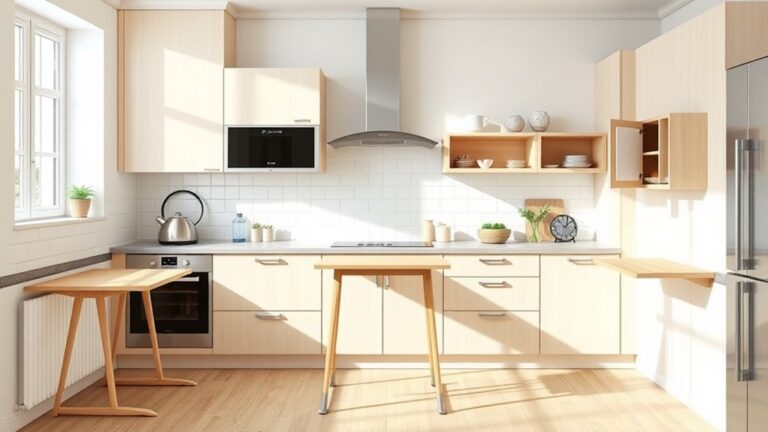
When you’re dealing with a small kitchen, it’s all about making the most of the space you have. Picking the right table size and shape can really help with that. For instance, compact tables—like round ones or drop-leaf styles—fit nicely without making your kitchen feel cramped.
And here’s another idea: think about tables that do double duty. Some can serve as both a prep area and storage spot, which is perfect for squeezing the most out of limited square footage. It’s all about working smarter, not harder!
Maximizing Space Efficiency
If you’re working with a small kitchen or limited space, selecting the right table size can dramatically improve your workflow and comfort. Opt for a table that fits snugly without overcrowding, allowing easy movement around it.
Use decorative accents like a slim centerpiece or wall-mounted shelves nearby to add style without taking up floor space. Choose materials that are easy to clean and maintain, following simple maintenance tips to keep your table looking fresh and functional.
Consider tables with built-in storage or foldable features to maximize utility. By carefully balancing size, style, and practicality, you’ll create a kitchen area that feels open and organized.
This way, every inch counts while keeping your space inviting and efficient.
Choosing Compact Table Shapes
Selecting the right shape for your kitchen table plays a big role in making the most of limited space. In small kitchens, compact shapes like round or square tables work wonders.
Round tables eliminate sharp corners, allowing easier movement and a cozy feel, perfect if you want a touch of vintage charm. Square tables fit neatly into corners, maximizing floor space while offering a clean look aligned with modern minimalism.
If your space is tight, consider drop-leaf or pedestal tables. They provide flexibility without overcrowding. Avoid bulky, rectangular tables that can overwhelm small areas.
Multi-Functional Table Options
Because space is at a premium in small kitchens, choosing a multi-functional table can transform your area without adding clutter. Look for tables that double as storage units or fold down when not in use, maximizing your limited space.
Opt for materials known for durability, like solid wood or metal, to guarantee your table withstands daily wear and tear. Consider how the table’s design fits your overall decor style. Sleek, modern options might complement minimalist kitchens, while rustic finishes suit cozier spaces.
You can also select tables with adjustable heights or extendable leaves, giving you flexibility for meals or prep work. By prioritizing multi-functionality alongside material durability and decor style, you’ll create a practical and stylish kitchen that feels larger and more inviting.
Choosing Large Kitchen Tables For Big Families
How do you find a kitchen table that comfortably fits your big family without overcrowding the space? Start by choosing a large table that balances size and room flow. Here are three tips to help you make the best choice:
Finding a kitchen table that fits your big family without crowding starts with balancing size and room flow.
- Measure your space carefully. Make sure the table leaves enough room for movement so your kitchen doesn’t feel cramped or cluttered. You want everyone to sit comfortably without bumping elbows.
- Consider tableware coordination. Pick a table shape and size that complement your existing tableware and kitchen decor. A cohesive look improves the dining experience and keeps your kitchen visually appealing.
- Opt for durable materials. Big families need sturdy tables that withstand daily use. Materials like solid wood or tough metal frames offer longevity and style.
With these factors in mind, you’ll create a welcoming dining area where your entire family can gather comfortably and enjoy meals together.
Flexible Seating: Adjustable And Extendable Kitchen Tables
You’ll love how extendable tables save space and easily adapt to whatever you need. Plus, adjustable designs are perfect for small kitchens—they give you more seating without taking up extra room. And when you pick the right materials, your table stays flexible and durable for years to come.
Benefits of Extendable Tables
Although space might be tight in your kitchen, extendable tables offer a smart solution that adapts to your needs. You can easily expand or shrink the table size, making mealtime comfortable whether it’s just your family or guests join.
Here are three key benefits:
- Versatile Seating Options: You can pair extendable tables with folding chairs or built-in benches, switching between casual and formal setups effortlessly.
- Maximized Space: When not extended, these tables save valuable floor space, keeping your kitchen open and uncluttered.
- Accommodates More Guests: Extend the table to welcome extra people without needing a second table or sacrificing comfort.
With an extendable table, you get flexibility that fits your lifestyle, making your kitchen both practical and inviting.
Space-Saving Adjustable Designs
When space is limited, adjustable and extendable kitchen tables offer the perfect solution to fit your seating needs without crowding your room. You can easily expand or shrink the table size depending on the occasion.
Pairing these tables with folding chairs maximizes your floor space, letting you tuck them away when not in use. Countertop tables with adjustable heights also provide versatile options for different activities.
| Feature | Benefit |
|---|---|
| Extendable Tables | Expand seating when needed |
| Folding Chairs | Save space when not in use |
| Countertop Tables | Adapt height for comfort |
With these space-saving designs, you get flexibility and functionality without sacrificing your kitchen’s openness.
Choosing Materials for Flexibility
Selecting the right materials plays a crucial role in ensuring your adjustable and extendable kitchen table remains durable and easy to use. When choosing materials for flexibility, you want a balance between material durability and aesthetic appeal.
Here are three key points to think about:
- Solid Wood: Offers excellent durability and timeless aesthetic appeal but can be heavier and pricier.
- Metal Frames: Provide sturdy support for extendable parts, ensuring smooth adjustments and long-lasting use.
- Engineered Wood or Laminates: Lightweight and budget-friendly, these materials offer versatility and come in various finishes to match your kitchen style.
How To Match Kitchen Table Size With Chair Dimensions
To guarantee comfort and functionality in your kitchen, you’ll want to carefully match your table size with the dimensions of your chairs. Start by considering the table height, which typically ranges from 28 to 30 inches. Ensure your chairs have a seat height about 10 to 12 inches lower than the table surface to allow enough legroom and avoid discomfort.
If the table is too high or too low compared to your chairs, it can lead to awkward posture and strain. Next, focus on chair comfort by checking the width and depth of each seat. Ideally, you’ll want at least 24 inches of width per chair to provide enough personal space.
Also, consider the chair’s backrest height to complement the table’s edge without restricting movement. Matching these dimensions precisely ensures that your kitchen table setup feels both inviting and practical, making every meal more enjoyable.
Where To Place Your Kitchen Table For Maximum Comfort
Although finding the perfect kitchen table size is important, placing it correctly can make an even bigger difference in comfort. You want your table to be both functional and inviting. Here’s how to achieve that:
- Consider Traffic Flow: Place the table where it won’t block walkways or kitchen work zones. You need at least 36 inches of clearance around the table to move freely without bumping into chairs or counters.
- Optimize Lighting Placement: Position your table under a well-placed light fixture to ensure the area is bright and welcoming. Natural light works great, but adjustable lighting can set the right mood for any time.
- Enhance With Decorative Accents: Use nearby wall art, plants, or a stylish centerpiece on the table to make the space cozy and visually appealing. These accents draw the eye and make your kitchen table a comfortable gathering spot.
Frequently Asked Questions
What Materials Are Best for Durable Kitchen Tables?
For durable kitchen tables, you’ll want materials known for material durability like hardwoods (oak, maple) or metal frames with tempered glass tops. These handle daily wear well and resist scratches.
Solid wood offers longevity and easy surface cleaning with mild soap and water. Metal and glass are also low-maintenance, allowing you to wipe spills quickly without damage.
Avoid soft woods or porous surfaces since they can stain or dent easily over time.
How Do I Maintain and Clean Different Kitchen Table Surfaces?
Imagine your kitchen table as a blank canvas; to keep it pristine, start with tablecloth maintenance. Wash it regularly to protect the surface. For wood, wipe spills quickly with a damp cloth and use gentle stain removal tips like baking soda paste.
For glass or laminate, a mild detergent works wonders. Avoid harsh chemicals that dull finishes. By caring attentively, you’ll preserve both beauty and function, turning daily meals into lasting memories.
Are Round Tables Better for Conversation Than Rectangular Ones?
Yes, round tables are better for conversation because they allow everyone to face each other easily, making interactions more natural.
For formal dining, rectangular tables often work better since they provide a clear head of the table and more seating options. But for family gatherings, round tables create a cozy atmosphere where everyone feels included and can chat effortlessly.
Can Kitchen Tables Be Used for Multipurpose Activities?
Your kitchen table can be a chameleon, adapting to whatever task you throw its way. With multifunctional furniture and space-saving designs, you can easily switch from family meals to homework sessions or even a mini workspace.
You’ll love how a well-chosen table maximizes your room’s potential without crowding it. So, don’t hesitate to use your kitchen table for more than just eating; it’s built to handle your busy lifestyle.
What Styles of Kitchen Tables Complement Modern Kitchens?
You’ll find that sleek, minimalist table shapes like rectangular or round work best with modern kitchens. These shapes offer great design compatibility by keeping the space open and airy.
Materials like glass, metal, or light wood amplify the contemporary vibe. You can also consider tables with clean lines and simple legs to match your kitchen’s streamlined look.
This way, your kitchen table blends perfectly without overwhelming the space.
Conclusion
Now that you know how to find the perfect kitchen table size, the real question is what will you choose? Will you go for a cozy spot for two or a big, lively table for everyone?
Remember, it’s not just about size; it’s about flow, comfort, and style. The right table can truly transform your kitchen experience.
So, are you ready to make your kitchen both functional and inviting? The choice is yours, and picking the ideal size for a kitchen table is key.