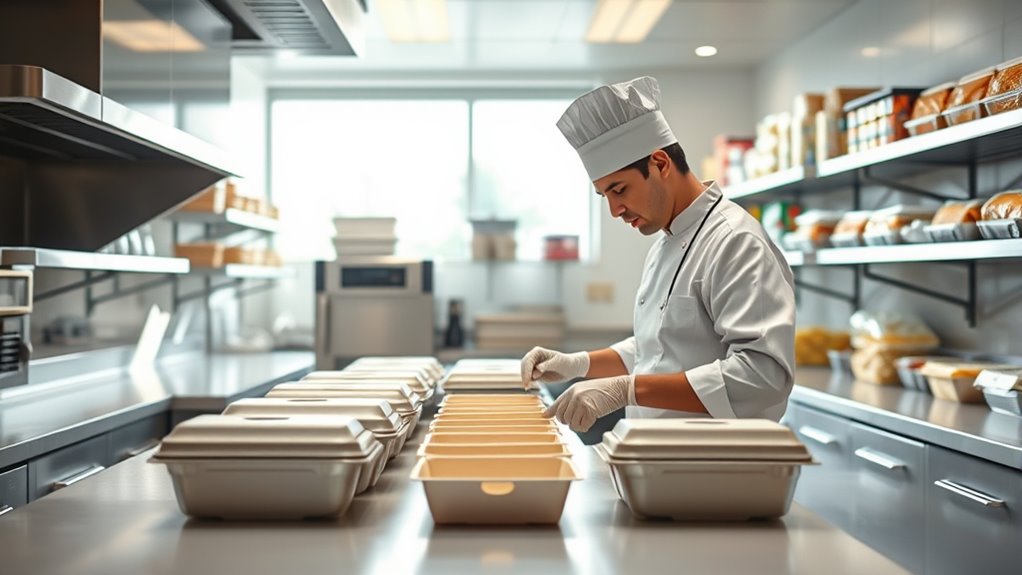
What Is a Ghost Kitchen: How Does It Work?
Craving restaurant-quality meals but tired of long wait times and stale takeout? You’re not alone. Many people struggle with getting fresh, delicious food delivered quickly without the hassle of dine-in or pickup.
A ghost kitchen is a delivery-only cooking space with no dine-in area, so you get your food faster and fresher. It focuses on preparing meals efficiently using smart technology to handle orders from multiple apps, while ensuring high hygiene and food safety standards.
These kitchens experiment with menus and adapt quickly to your tastes, all while keeping costs down. If you want to understand how different models work and what makes them popular, there’s plenty more to investigate.
Key Takeaways
- Ghost kitchens prepare food exclusively for delivery or takeout without any dine-in facilities.
- They use technology to streamline orders from multiple delivery platforms, ensuring fast and accurate service.
- Business models include single-brand, multi-brand, shared, and cloud kitchens. These setups help optimize resources and reach more customers.
- Strict hygiene, temperature control, and packaging maintain food quality and safety during preparation and delivery.
- Data analytics and customer feedback drive menu innovation and personalized marketing. This helps improve the overall customer experience.
What Is a Ghost Kitchen? How Does It Differ From Traditional Restaurants?
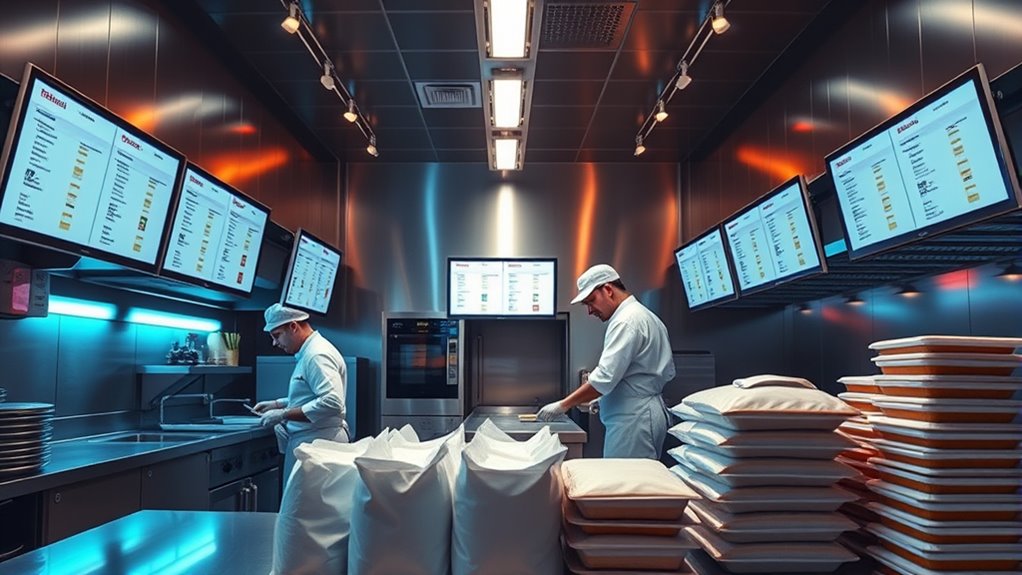
Although ghost kitchens don’t have a dine-in area like traditional restaurants, they focus entirely on preparing food for delivery or takeout. When you order from a ghost kitchen, you’re tapping into a model designed specifically to improve customer experience through speed and convenience.
Unlike traditional restaurants, ghost kitchens don’t rely on ambiance or table service. They prioritize culinary innovation and efficiency. You’ll find these kitchens experimenting with diverse menus and unique flavor combinations since they have the freedom to adapt quickly without the constraints of a physical dining space.
This flexibility allows them to respond to customer preferences and trends faster than conventional eateries. So, when you choose a ghost kitchen, you’re getting food crafted with a focus on quality and innovation, tailored for a seamless delivery experience. Essentially, ghost kitchens redefine dining by putting the food and customer convenience front and center, setting themselves apart from traditional restaurant models.
How Do Ghost Kitchens Work Behind the Scenes?
Ghost kitchens focus on delivering quality food quickly, but what goes on behind the scenes makes this possible. You’ll find a streamlined operation where everything, from ingredient sourcing to order preparation, is optimized for speed and consistency.
Technology plays a key role, connecting orders from multiple delivery platforms directly to the kitchen, minimizing errors and delays. This setup lets you experiment with menu innovation easily, adapting dishes based on customer preferences and trending flavors without the constraints of a traditional dining space.
Behind the scenes, data analytics help you track customer behavior and preferences. This boosts customer loyalty by tailoring your offerings and promotions accordingly.
Staff training focuses on efficiency and quality, ensuring every order meets high standards despite the fast pace. By managing inventory smartly and reducing overheads, ghost kitchens maintain competitive pricing.
Ultimately, this behind-the-scenes orchestration guarantees you deliver fresh, tasty meals quickly, keeping customers coming back.
Different Ghost Kitchen Business Models Explained
You’ll find several distinct business models powering virtual kitchens, each designed to maximize efficiency and reach. The historical evolution of ghost kitchens reflects a shift from traditional dine-in restaurants to delivery-focused operations.
One popular model is the single-brand kitchen, where you run just one cuisine type. It’s perfect if you want to maintain your brand identity. Then there’s the multi-brand kitchen, which lets you operate several virtual restaurants from one location.
This setup adapts to different tastes shaped by cultural influences. Shared kitchens offer a cost-effective option by splitting space and resources with other operators. You might also encounter cloud kitchens that serve as hubs for multiple brands, streamlining orders and deliveries.
Understanding these models helps you choose the right setup based on your goals and local market demands. As cultural influences continue to shape food trends, ghost kitchen models evolve, enabling you to tap into diverse customer preferences efficiently.
Why Are Ghost Kitchens Becoming So Popular Now?
You’ve probably been seeing ghost kitchens everywhere lately, right? That’s because they slash costs way more than traditional restaurants do. And with online ordering becoming super popular, it’s never been easier for customers to get food delivered straight from these kitchens. So, it makes sense that these things are catching on fast!
Cost Efficiency Benefits
Because they eliminate many traditional expenses, ghost kitchens offer an affordable way for food entrepreneurs to start or expand their business. You don’t have to worry about costly front-of-house staff or prime real estate fees, which substantially lowers your overhead.
This cost efficiency lets you focus on menu innovation, experimenting with new dishes without the pressure of a full-service restaurant setup. Plus, you can adjust your offerings quickly based on customer feedback, improving customer engagement by responding directly to their preferences.
With lower operational costs, you have more flexibility to invest in marketing and technology that boost your brand presence. Ultimately, ghost kitchens give you the chance to grow smarter and faster while keeping expenses manageable.
Rise of Online Ordering
Three major trends have fueled the rapid rise of ghost kitchens: the explosion of online ordering, changing consumer habits, and advances in delivery technology. If you look at historical trends, you’ll see that consumers increasingly prefer the convenience of ordering food online rather than dining out.
This shift has pushed restaurants to adapt quickly. Ghost kitchens capitalize on this by focusing solely on delivery, cutting overhead while embracing culinary innovations like menu optimization for takeout. You don’t have to worry about front-of-house operations, allowing kitchens to streamline processes and meet growing demand efficiently.
Plus, with apps making ordering simpler and faster, ghost kitchens can reach more customers than traditional restaurants ever could, explaining why they’re booming now.
How Online Ordering and Delivery Apps Drive Ghost Kitchens
You’ll find that online ordering and delivery apps really make life easier for ghost kitchens by seamlessly integrating menus and payments. On top of that, they optimize delivery routes, which means your orders get to customers faster and fresher. And it doesn’t stop there — these apps also help expand your market reach by connecting you with more hungry buyers beyond your local area.
App Integration Benefits
How do online ordering and delivery apps transform ghost kitchens? They streamline your ability to reach customers directly, boosting customer loyalty through seamless, convenient ordering experiences.
These apps gather valuable data that helps you understand preferences and tailor menu innovation to meet evolving tastes quickly. With app integration, you can easily update menus based on popular items or feedback, keeping your offerings fresh and appealing.
Plus, the apps centralize orders from multiple platforms, reducing errors and speeding up service. By connecting your ghost kitchen to these digital tools, you create a dynamic system that adapts fast, encourages repeat business, and lets you experiment with new dishes without the risk and cost of a traditional restaurant setup.
Delivery Logistics Optimization
Beyond improving customer interaction and menu management, online ordering and delivery apps play a key role in optimizing delivery logistics for ghost kitchens. They help you streamline order flow, reducing wait times and ensuring meals reach customers hot and fresh.
These platforms enable real-time tracking, so you can monitor delivery routes and adjust quickly to traffic or delays. By analyzing order patterns, you can tailor your seasonal menu to meet demand efficiently, avoiding waste and simplifying ingredient sourcing.
Delivery apps also connect you with multiple courier services, giving you flexibility and reliability. This integration saves you time and cuts costs, letting you focus on cooking while the app handles logistics. Ultimately, these tools make your ghost kitchen more responsive and efficient.
Expanded Market Reach
When online ordering and delivery apps expand your market reach, they open new opportunities to attract a broader customer base beyond your immediate location. These platforms let you showcase your culinary innovation to diverse audiences, increasing brand visibility without the constraints of a physical storefront.
By tapping into multiple delivery apps, you engage customers where they already spend time, making it easier for them to explore and order your menu. This boosts customer engagement through ratings, reviews, and personalized promotions, helping you refine your offerings based on real-time feedback.
Ultimately, leveraging online ordering and delivery apps empowers your ghost kitchen to scale efficiently, connect with hungry customers nationwide, and stay competitive by continuously innovating your menu and service experience.
Cost Benefits of Running a Ghost Kitchen
Although traditional restaurants require significant upfront investments, running a ghost kitchen lets you cut costs dramatically by eliminating the need for a dine-in space and reducing overhead expenses. You can focus more on culinary innovation and artistic presentation without worrying about dining room aesthetics or large staff.
This streamlined setup means lower rent, fewer utilities, and minimal labor costs, helping you maximize profits while experimenting with new menu ideas.
Here’s a quick look at the cost benefits:
| Cost Factor | Ghost Kitchen Advantage |
|---|---|
| Rent | Lower due to no dine-in area |
| Staff | Reduced; no waiters or hosts |
| Utilities | Decreased energy and water use |
| Equipment | Focused on kitchen essentials |
| Marketing | Digital-focused, cost-efficient |
Ensuring Food Quality and Safety in Ghost Kitchens
You need to keep your ghost kitchen safe and clean by sticking to strict hygiene standards. It’s really important to monitor temperature control protocols too, so your food stays fresh and free from contamination. When you focus on these key areas, you’ll be able to maintain high food quality every time.
Hygiene Standards Enforcement
How do ghost kitchens maintain strict hygiene standards without a traditional storefront? They enforce rigorous cleaning schedules and staff training to guarantee food safety throughout preparation. Since you don’t interact with customers face-to-face, upholding hygiene behind the scenes is vital to protect your brand and customer privacy.
Ghost kitchens use closed environments, limiting access to reduce contamination risks. You’ll also find them adopting transparent hygiene audits and certifications as part of their marketing strategies, building trust despite lacking a physical location.
Temperature Control Protocols
Because maintaining ideal temperatures is essential in food safety, ghost kitchens implement strict temperature control protocols throughout every stage of food handling. You rely on advanced refrigeration technology to keep ingredients fresh and safe.
Continuous temperature monitoring guarantees that hot foods stay hot and cold foods stay cold, preventing bacterial growth. These protocols protect both food quality and customer health by minimizing risks.
| Temperature Control Step | Why It Matters |
|---|---|
| Ingredient Storage | Prevents spoilage |
| Food Preparation | Avoids cross-contamination |
| Cooking | Kills harmful bacteria |
| Holding & Delivery | Maintains safe serving temps |
| Temperature Monitoring | Ensures consistent safety |
Who Can Start a Ghost Kitchen? Essential Equipment Needed
Although starting a ghost kitchen might seem complex, anyone with a passion for food and a clear business plan can launch one. You don’t need a traditional restaurant space, but you do need to focus on customer experience and smart branding strategies to stand out. Understanding your target market and how to reach them is essential.
For vital equipment, you’ll need commercial-grade kitchen appliances like ovens, fryers, and refrigeration units. Durable prep tables, ventilation systems, and quality storage solutions are also a must. Don’t forget packaging materials designed to keep food fresh during delivery. That’s key to maintaining customer satisfaction. Technology plays a big role too. Invest in reliable order management and POS systems to streamline operations.
Key Challenges Ghost Kitchens Face in Today’s Market
Once you’ve set up your ghost kitchen with the right equipment and strategy, you’ll face a unique set of challenges that can impact your success. One major hurdle is steering through cultural influences that affect food preferences and delivery expectations. You need to tailor your menu and marketing to resonate with diverse customer bases while respecting cultural nuances. Ignoring this can limit your reach and reputation.
Another challenge lies in interior design, often overlooked in ghost kitchens since there’s no dine-in space. However, a well-organized, efficient kitchen layout directly affects food quality and delivery speed. Poor design can lead to workflow bottlenecks and mistakes, harming customer satisfaction. You’ll need to balance cost with functional space planning to optimize operations.
Addressing these challenges thoughtfully will help you stand out in today’s competitive market and build a loyal customer base despite the invisible nature of your ghost kitchen.
How Ghost Kitchens Are Shaping the Future of Dining
How are ghost kitchens transforming the way we experience food? They’re revolutionizing dining by offering you quick, diverse meals without the wait of traditional restaurants. By focusing solely on delivery and takeout, ghost kitchens reduce overhead costs and innovate rapidly, letting you enjoy new flavors more often.
They’re also embracing sustainable packaging, which means your food arrives with less environmental impact, aligning with your growing demand for eco-friendly options.
These kitchens prioritize building customer loyalty through personalized experiences and consistent quality, often using data insights to tailor menus and promotions to your preferences. This approach keeps you coming back, knowing you’ll get convenience and taste every time.
As ghost kitchens continue to evolve, they’re setting new standards for how food reaches your doorstep fast, fresh, and responsible. You’re not just ordering a meal; you’re participating in a smarter, more sustainable dining future.
Frequently Asked Questions
Can Ghost Kitchens Serve Alcohol or Have Dine-In Options?
You can serve alcohol in a ghost kitchen if you secure the proper alcohol licensing, but it’s not always easy since licenses vary by location.
However, dine-in options are usually limited or restricted because ghost kitchens focus on delivery and takeout. If you want to offer dine-in, you’ll have to navigate dine-in restrictions and possibly modify your space to meet local regulations. That can be challenging for ghost kitchen setups.
Are Ghost Kitchens Environmentally Sustainable?
Yes, ghost kitchens can be environmentally sustainable. In fact, they use up to 40% less energy than traditional restaurants because they don’t require dining spaces.
You can make them even greener by choosing eco friendly packaging for deliveries and minimizing waste. Since they focus solely on food prep and takeout, you’ll reduce energy consumption and carbon footprint, making ghost kitchens a smart choice if you care about sustainability.
How Do Ghost Kitchens Handle Food Allergies and Special Diets?
You’ll find that ghost kitchens prioritize food allergy management by clearly labeling ingredients and using separate prep areas to avoid cross-contamination. They often train staff to handle special diet accommodations carefully, ensuring gluten-free, vegan, or other specific meals meet your needs.
What Are the Best Marketing Strategies for Ghost Kitchens?
You should focus on digital branding to make your ghost kitchen stand out online. Create a strong, visually appealing presence on social media and delivery apps to attract customers.
Prioritize customer engagement by responding quickly to reviews and messages. Offering promotions or loyalty programs also helps keep customers coming back.
Collaborate with influencers and use targeted ads to reach your ideal audience. This approach boosts visibility and builds a loyal customer base for your ghost kitchen.
Can Ghost Kitchens Operate Internationally or Across Different Cities?
Just like a modern-day Marco Polo exploring new trade routes, you can definitely expand your ghost kitchen internationally or manage cross-city operations. By leveraging digital platforms and local partnerships, you’ll scale your brand without physical storefronts.
International expansion means adapting menus and logistics to local tastes and regulations, while cross-city operations let you serve diverse markets efficiently. With smart planning, your ghost kitchen can conquer new territories seamlessly.
Conclusion
Imagine a sleek, bustling kitchen humming behind closed doors, where your favorite meals come to life just for delivery. Ghost kitchens are reshaping how you experience food, blending convenience with innovation.
As you order through your phone, you’re part of a culinary transformation that’s fast, flexible, and fresh. Whether you’re a foodie or an entrepreneur, ghost kitchens invite you to step into the future of dining, where flavor meets technology right at your doorstep.
This is the power of a ghost kitchen—changing the way we enjoy food, making it easier and more exciting than ever.