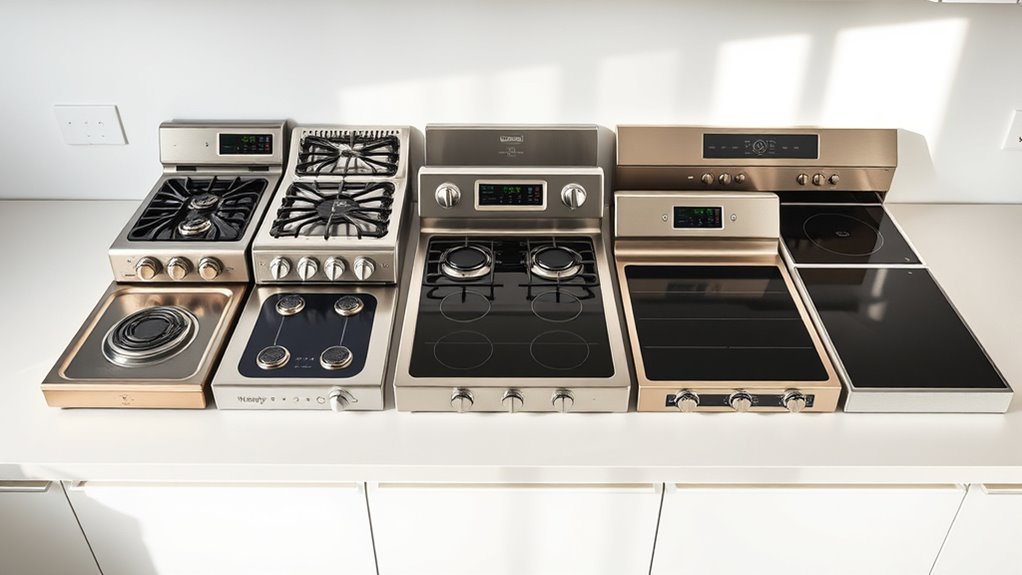
7 Types of Electric Ranges Explained
Choosing the right electric range can feel overwhelming, especially when every model promises better cooking, easier cleanup, or smarter features. You’re not alone—many home cooks struggle to decide which design fits their kitchen, cookware, and daily routine.
Electric ranges come in seven useful types: coil-top models offer affordable, dependable cooking; smooth-top ranges provide easy cleanup; induction ranges deliver fast, precise, energy-efficient heating; double-oven models let you cook dishes at different temperatures; and dual-fuel ranges pair electric ovens with responsive gas burners.
You’ll also find standard radiant glass-top and smart electric ranges with connected controls.
Choose based on your space, cookware, cooking habits, safety needs, and budget. The following details will help you compare each option.
Key Takeaways
- Coil-top ranges are affordable, durable, easy to repair, and suitable for apartments, rentals, and starter kitchens.
- Smooth-top ranges feature flat glass-ceramic surfaces that simplify cleaning but require nonabrasive care to prevent scratches.
- Induction ranges heat compatible magnetic cookware rapidly and efficiently while offering precise temperature control and cooler surfaces.
- Double-oven electric ranges cook multiple dishes at different temperatures but may have smaller individual cavities and taller designs.
- Dual-fuel ranges combine responsive gas burners with an evenly heating electric oven, requiring both gas and electrical installation.
What Is an Electric Range?
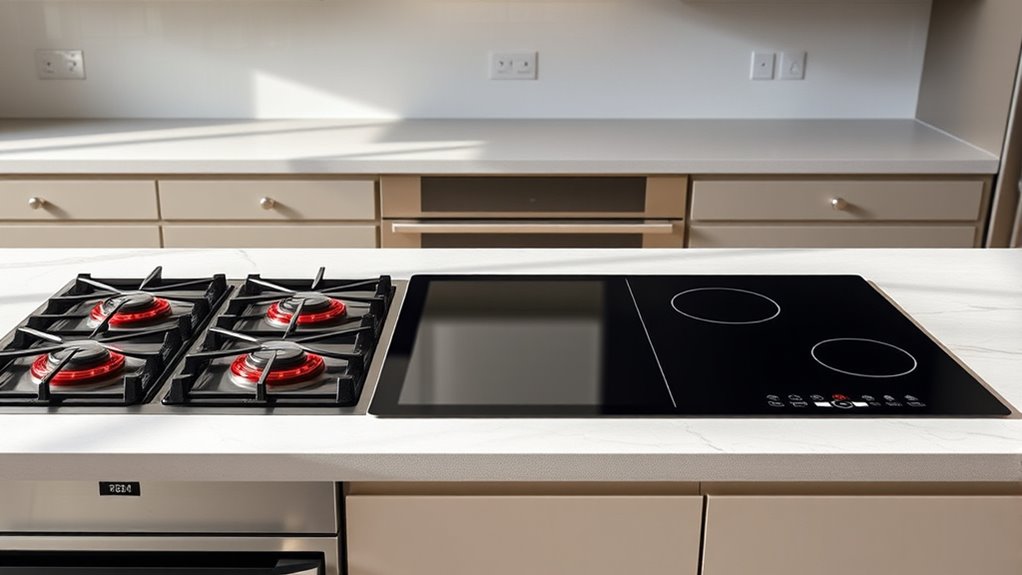
An electric range is a kitchen appliance that combines a cooktop and oven, using electricity to generate heat for cooking. When you choose one, you get a single unit for preparing meals on surface elements and baking, roasting, or broiling inside the oven. You control temperatures through dials, touch panels, or digital displays, depending on the model.
You’ll find electric ranges in several configurations, including smooth glass surfaces and other heating-element designs. Each option affects how quickly you cook, how easily you clean the surface, and how much control you have over heat. Look for energy efficiency ratings and features that help reduce wasted power during everyday use.
Safety features can include hot-surface indicators, automatic shutoff, oven locks, and controls positioned away from accidental contact. Before installation, you’ll need a suitable electrical connection and enough ventilation and clearance. Measure your available space carefully so the range fits securely and operates reliably.
Coil-Top Ranges for Budget Cooking
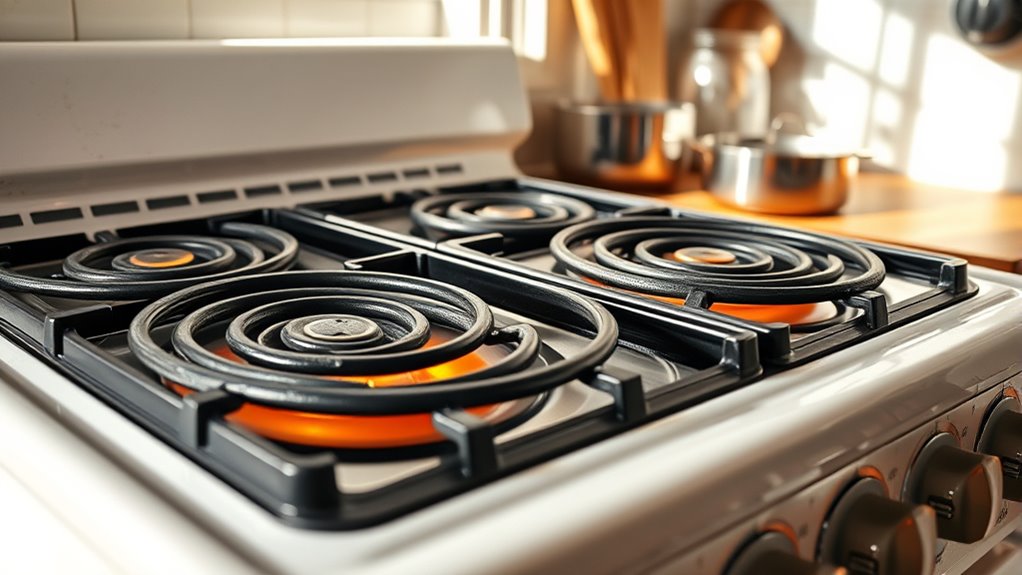
If you want reliable cooking performance without spending a lot, a coil-top range is a practical choice. Its durable coil burners provide consistent heat for everyday meals, and simple cleaning and maintenance can help keep them working well.
Affordable Cooking Performance
Coil-top ranges deliver dependable cooking performance at a budget-friendly price, making them a practical choice for everyday meals. If you’re furnishing your first kitchen or replacing an aging stove, you’ll appreciate how these budget-friendly appliances keep essential cooking within reach without adding unnecessary features or expense.
- You get straightforward controls that let you adjust heat quickly for boiling, simmering, frying, and baking.
- You can prepare several dishes using familiar settings, so you won’t need specialized cookware or complicated programming.
- You’ll find replacement parts and service generally accessible, helping control ownership costs over time.
- You can direct more of your budget toward quality ingredients while still handling breakfast, dinner, and meal prep confidently.
For cost-effective cooking, a coil-top range gives you reliable daily function and practical value. It’s an especially sensible option for apartments, rental homes, and starter kitchens.
Durable Coil Burners
Beyond their low purchase price, electric coil burners are built to handle the demands of daily cooking. Their sturdy metal construction tolerates frequent heating, heavy cookware, and high temperatures without the fragility of glass surfaces.
With sensible use, you can expect consistent performance for years, making coil burner durability a major advantage for budget-conscious cooks. The burners also transfer heat directly to your pans, so you’ll get dependable results for boiling, frying, and simmering.
If a coil eventually fails, you won’t need to replace the entire range. Use these coil replacement tips: match the new element’s diameter, wattage, and connector style to your model, then confirm compatibility in the owner’s manual.
You’ll restore cooking performance quickly while keeping repair costs manageable. That practical longevity makes coil-top ranges a smart value.
Easy Maintenance Tips
Simple cleaning habits keep a coil-top range efficient and affordable. Follow practical cleaning routines to prevent spills from hardening around burners, controls, and drip pans.
- Let the coils cool completely, then lift them out and wipe them with a damp cloth. Never immerse electrical connections.
- Remove drip pans and soak them in warm, soapy water. Dry them fully before reinstalling to prevent rust.
- Wipe the cooktop after every use with a nonabrasive cleaner. Avoid steel wool, which can scratch the surface.
- Check burner connections and test heat regularly. If a coil heats unevenly, replace it promptly.
For smart replacement tips, match the burner’s wattage, size, and connector style. Keep a spare coil and drip pan available, so a small failure won’t interrupt your cooking. Always unplug the range before servicing it.
Smooth-Top Ranges for Easy Cleaning
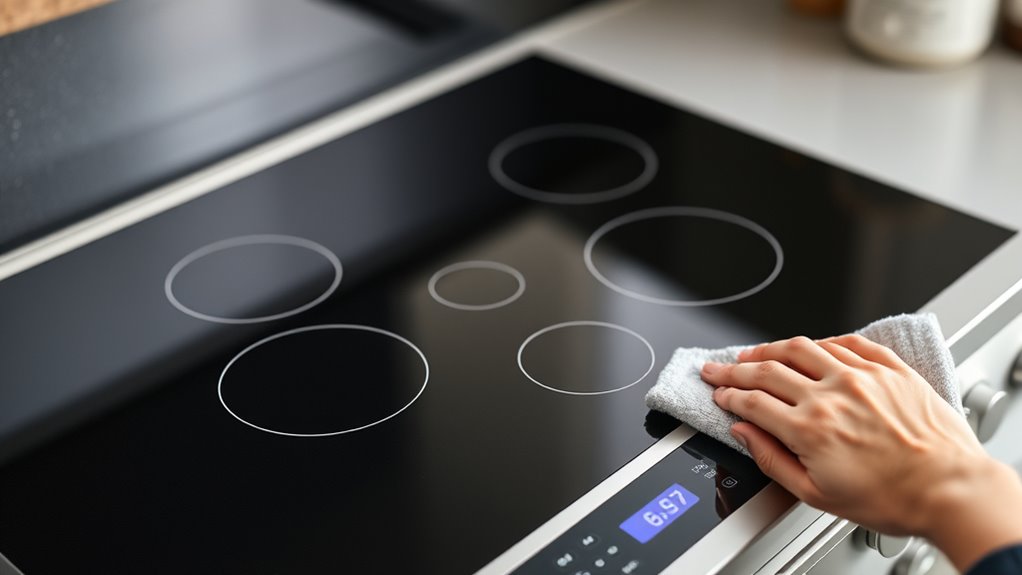
Smooth-top ranges give you an easy-to-clean surface without raised coils that can trap crumbs. Spill-containment features help keep messes manageable, so you’ll spend less time on routine cleanup.
Easy Wipe-Clean Surface
Cleaning up after cooking takes less effort with a smooth-top electric range because its flat glass-ceramic surface leaves fewer places for spills and crumbs to hide. You can wipe the cooktop with a soft, damp cloth once it cools, then use a cleaner made for glass-ceramic surfaces when residue needs extra attention.
Consistent cleaning schedules help prevent cooked-on marks and keep the finish looking polished.
- Let the surface cool before wiping.
- Remove loose crumbs with a dry cloth.
- Apply approved cleaner sparingly.
- Buff away residue with a microfiber cloth.
Check your owner’s manual before choosing tools or products, since surface materials and finishes can vary.
Avoid abrasive pads, harsh powders, and rough scrapers that may dull or scratch the glass.
With gentle care after each meal, you’ll spend less time scrubbing and more time enjoying your kitchen.
Spill Containment Features
Beyond the wipe-clean surface, many smooth-top electric ranges include raised edges or recessed cooktops that help contain spills before they reach the floor or nearby cabinets. When soup bubbles over, these barriers give you time to switch off the burner and handle the mess safely.
Some models add spill proof technology, while removable containment trays catch drips around specific heating elements.
| Feature | How it helps |
|---|---|
| Raised edges | Keeps liquids on the cooktop |
| Recessed surface | Directs spills away from counters |
| Containment trays | Collects drips for safer handling |
Look for controls positioned outside the recessed area, so you can reach them without placing your hand in a puddle.
Although no design can stop every overflow, thoughtful containment reduces spread and protects surrounding surfaces. Check the range’s capacity and tray access before choosing your model.
Minimal Maintenance Needs
A smooth glass-ceramic cooktop needs less daily maintenance because its flat, sealed surface leaves fewer places for food and grease to hide. You can wipe most spills with a damp cloth after the surface cools, then use a cleaner made for glass cooktops when residue sticks.
- Lift cookware instead of sliding it to help prevent scratches.
- Clean sugary spills promptly, since they can harden or damage the finish.
- Use flat-bottomed pans to promote even heating and reduce burned-on spots.
- Check the manufacturer’s care instructions before applying scrapers or polish.
You won’t need burner grates, drip pans, or removable coils, so routine cleaning takes less time. Some Smart technology models alert you when the surface remains hot, supporting safer care.
If you’re comparing Eco friendly options, efficient heating and reduced cleaning-product use can further simplify ownership. With consistent wiping, your range stays sleek and ready for cooking.
Induction Ranges for Fast, Precise Heating
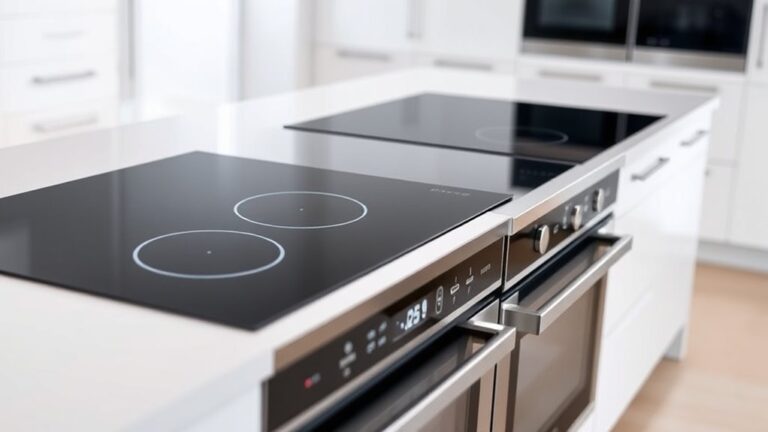
Induction ranges use electromagnetic energy to heat compatible cookware directly, giving you rapid temperature changes and precise control. You’ll notice water boils quickly, while responsive controls let you adjust heat almost instantly.
Because the cooktop stays relatively cooler than traditional electric surfaces, spills won’t bake on as easily, making cleanup simpler.
For the best results, use flat-bottomed cookware made from magnetic materials, such as cast iron or stainless steel designed for induction. A magnet can help you check compatibility before buying new pans.
You’ll also appreciate the surface’s Energy efficiency: it transfers heat directly to the pan, reducing wasted warmth and keeping your kitchen more comfortable.
Many models include Smart technology, such as guided cooking settings, pan detection, timers, and app controls. Safety features can shut off heat when you remove cookware or detect excessive temperatures.
Although induction models may cost more initially, their speed, precision, and efficient operation can make them a worthwhile long-term choice.
Double-Oven Electric Ranges for More Capacity
Double-oven electric ranges give you two separate ovens, so you can bake, roast, or broil different dishes at different temperatures at the same time. You’ll appreciate that flexibility when preparing a holiday meal, cooking multiple courses, or keeping dinner and dessert on separate schedules.
Double-oven electric ranges simplify busy cooking days by letting you prepare multiple dishes at different temperatures simultaneously.
- Capacity: Use the larger oven for roasts and the smaller one for side dishes, snacks, or everyday meals.
- Convenience: You won’t need to wait for one dish to finish before starting another.
- Features: Look for convection cooking, adjustable racks, self-cleaning cycles, and intuitive controls.
- Design: Choose a finish and layout that complement your kitchen aesthetics without sacrificing workspace.
Because you can heat only the oven you need, a double-oven model may improve energy efficiency during smaller cooking jobs.
However, its taller design can reduce storage space beneath the cooktop, and the smaller cavity may limit large cookware.
Measure your available area carefully, then compare capacities, controls, warranties, and cleaning requirements before choosing.
Dual-Fuel Ranges as a Flexible Alternative
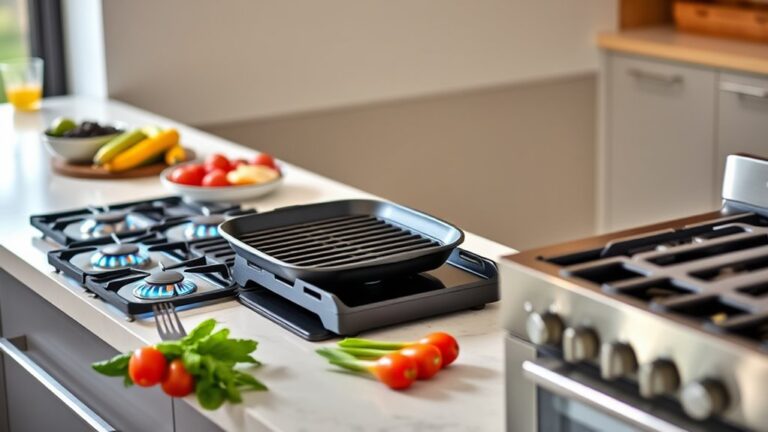
Want precise electric-oven performance with the responsiveness of gas burners? A dual-fuel range gives you both in one appliance.
Its electric oven typically delivers steady, even heat for baking, roasting, and broiling, while gas burners let you adjust cooking temperatures quickly. You’ll appreciate this combination when recipes demand accurate oven control but you prefer the visual feedback and instant response of a flame.
However, dual-fuel models need more planning than standard electric ranges. Check your home’s installation requirements before purchasing.
You’ll generally need a suitable gas line, a properly rated electrical circuit, and professional installation. Local codes may also require ventilation or shutoff components.
Energy efficiency varies by model and cooking method. Electric ovens can use energy effectively for extended baking, while gas burners may offer efficient, responsive heat for stovetop tasks.
Because dual-fuel ranges combine two fuel sources, operating costs depend on local electricity and gas rates. They’re a practical choice when versatility matters most.
How to Choose an Electric Range
Choosing an electric range starts with matching its cooking technology, size, and features to your kitchen and habits. Before you buy, measure your available space, confirm the electrical connection, and set a realistic budget.
Then compare these priorities:
- Cooktop style: Smooth glass tops look sleek and wipe clean easily, while coil elements often cost less and provide familiar performance.
- Oven capacity: Choose enough room for your usual pans, holiday meals, or multiple dishes. Convection cooking can improve browning and shorten cooking times.
- Energy efficiency: Check the appliance’s efficiency information and select induction if you want faster heating, precise control, and reduced wasted heat.
- Safety features: Look for automatic shutoff, hot-surface indicators, control locks, and sturdy racks, especially if children use the kitchen.
Also consider controls, self-cleaning options, warranty coverage, and installation requirements. Read verified reviews, compare long-term operating costs, and test the control layout when possible.
The best range fits your cooking style without adding unnecessary complexity or expense. You’ll cook more comfortably when every feature serves a practical purpose.
Frequently Asked Questions
How Much Electricity Does an Electric Range Typically Use?
You’ll typically use 2,000 to 5,000 watts when an electric range operates, depending on the burner or oven setting. A full cooking session might consume 1 to 3 kilowatt-hours, though cycling thermostats often reduce actual energy consumption.
You can improve usage efficiency by matching cookware to burner size, covering pots, and turning elements off slightly early. Your monthly cost depends on cooking frequency, appliance wattage, and your local electricity rate.
Are Electric Ranges Safer Than Gas Ranges?
Electric ranges are generally safer than gas ranges because you won’t face gas leaks, carbon monoxide, or open flames. However, their hot surfaces can still cause burns, and electrical faults can create fire risks.
Look for safety features such as automatic shutoff, child locks, and overheating protection. For emergency preparedness, keep a fire extinguisher nearby, avoid using water on electrical fires, and maintain clear access to your circuit breaker.
Always follow the manufacturer’s instructions.
How Long Do Electric Ranges Usually Last?
You can expect an electric range to last about 13–15 years with regular care. You’ll extend its lifespan by cleaning spills promptly, avoiding heavy impacts, and servicing faulty burners or controls quickly.
Energy efficiency may improve your household’s operating costs, although performance and electricity rates affect results. For a cost comparison, compare purchase price, expected repairs, energy use, and replacement timing with gas models before choosing your next range.
Can Electric Ranges Work During Power Outages?
No, you can’t use an electric range during a power outage because its heating elements and controls need electricity. Think of it like a train stopped by a missing track: nothing moves until service returns.
A Battery backup usually won’t run the range safely or long enough, so don’t connect one unless the manufacturer specifically approves it.
After Power restoration, wait briefly, then check the clock, controls, and breaker before cooking again.
What Maintenance Does an Electric Range Require?
You’ll keep an electric range reliable by wiping spills after each use, cleaning burners and the cooktop weekly, and deep-cleaning the oven monthly or as needed.
Follow consistent cleaning schedules to prevent baked-on grease and check the door seal, controls, power cord, and ventilation regularly.
Don’t use abrasive cleaners on glass surfaces. For safety and energy efficiency, remove residue, keep burners level, and have a technician inspect damaged wiring or heating elements.
Conclusion
Choosing an electric range shouldn’t feel like auditioning appliances for a reality show. Decide what matters most: a low price, easy cleanup, rapid induction heating, extra oven space, or fuel flexibility.
Then match the range to your cookware, kitchen, and cooking habits. You don’t need every feature ever invented unless you enjoy paying for buttons you’ll never press.
Pick the electric range that fits your needs, and let dinner, not your appliance, steal the spotlight.