
10 Best Donabe Rice Cooker for Fluffier Rice
As an Amazon Associate, I earn from qualifying purchases. This post contains affiliate links. Which means I may earn a small commission when make a purchase through my links, at no additional cost to you.
Rice cooked on the stovetop can turn out uneven, sticky, or disappointingly dry. Electric cookers simplify timing, but they may lack the gentle heat many cooks prefer. A donabe rice cooker uses thick ceramic walls and enclosed steam for naturally tender grains. Choosing the right size matters, especially when cooking for one person or a family. The best donabe rice cooker should match your serving needs, stovetop setup, and cleaning habits. Double lids can help regulate steam during cooking and resting. Inner lids may improve control when preparing rice, porridge, or mixed dishes. Some models also work for soups, hotpots, and other simmered meals. Others focus on simple rice preparation with helpful utensils included. Cooking surfaces vary, so compatibility deserves careful attention before choosing. Traditional clay pots often need gradual heating and gentle handling. They also require hand washing and thorough drying after use. This guide compares ten standalone choices across sizes, designs, and cooking styles. You will see useful features, practical limitations, and setup details for each model. The buying guide then explains capacity, lid design, stovetop compatibility, care, and versatility. Read on to find a donabe that suits your kitchen routine.
| Image | Name | Editor’s Rating | Price |
|---|---|---|---|
 |
Banko Donabe Rice Cooker Double Lids | ||
 |
Banko Donabe Rice Cooker Double Lid | ||
 |
Japanese Banko Donabe Rice Cooker |
BANKOYAKI Donabe Clay Rice Cooker
|
|
BANKOYAKI Donabe Clay Rice Cooker
Made in Japan
For 2 to 3 cups of rice Double lids included |
BANKOYAKI Donabe Clay Rice Cooker brings traditional Japanese ceramic cooking into everyday kitchens. Made in Yokkaichi, Japan, BANKOYAKI is known for ceramic pots and dishes. Its clay construction supports rice cooking alongside soups, hotpots, and other dishes. The included double lids distinguish this pot from simpler single-cover cookware. A 2 to 3 cup rice capacity suits smaller household meals and shared servings. Its rounded casserole form also lets one vessel move between several cooking tasks.
Rice cooks directly in the pot, making it suitable for modest family portions. The stated full capacity reaches approximately 50.72 fluid ounces, or 1500 milliliters. That size leaves room for rice preparation without choosing a much larger vessel. Use is specified for gas cooktops, 500-watt microwaves, and ovens. It cannot be used on electric cooktops, so kitchen compatibility matters beforehand. For a weekend hotpot or weekday rice preparation, the same pot handles either activity.
At 2 kilograms, or 4.6 pounds, this ceramic cooker has noticeable substance. Its listed dimensions measure approximately 7.87 inches diameter, 8.85 inches wide, and 6.29 inches high. The double-lid arrangement supports the traditional donabe design and keeps the cooking setup distinctive. An English instruction card helps clarify operation before the first meal. Cleaning requires hand washing because the product is not dishwasher safe. Simple handling is important, since the ceramic body should be used only within listed settings.
Home cooks seeking traditional Japanese cookware may appreciate this multi-use donabe format. It suits people preparing rice, soup, or hotpot portions for smaller gatherings. The capacity is practical when two or three cups match regular household cooking needs. Buyers should confirm access to gas, microwave, or oven cooking before choosing it. The pot arrives brand new and unused, with simple customized cardboard packaging. For a compact kitchen dinner, it fits rice preparation and hotpot serving in one vessel.
Best for: Home cooks wanting a traditional Japanese clay pot for rice, soups, and hotpots.
What We Like:
- Made-in-Japan BANKOYAKI ceramic construction brings traditional Japanese cookware into daily use.
- Double lids support the distinctive donabe cooking design.
- The 2-to-3-cup capacity suits smaller household meals.
- Its multi-use design handles rice, soup, hotpot, and other dishes.
What Could Be Better:
- It cannot be used on electric cooktops or cleaned in a dishwasher.
| Specification | User Benefit |
|---|---|
| Origin: Made in Japan | Provides traditional BANKOYAKI craftsmanship from Yokkaichi, Japan. |
| Material: BANKOYAKI clay ceramic | Supports rice, soup, hotpot, and other cooking uses in one vessel. |
| Rice capacity: 2 to 3 cups | Matches smaller household portions and modest shared meals. |
| Full capacity: Approximately 50.72 fluid ounces / 1500 milliliters | Gives cooking space for the stated rice and casserole-style uses. |
| Dimensions: 7.87-inch diameter x 8.85-inch width x 6.29-inch height | Helps shoppers check available storage and cooking space. |
| Weight: 2 kilograms / 4.6 pounds | Sets clear expectations for lifting and moving the ceramic pot. |
| Lids: Double lids included | Provides the traditional covered donabe configuration. |
| Compatible cooking methods: Gas cooktop, 500-watt microwave, and oven | Supports several common cooking settings when used as specified. |
| Not compatible with: Electric cooktop and dishwasher | Helps buyers plan suitable cooking and cleaning routines. |
| Instructions: English instruction card included | Gives English-speaking cooks guidance for getting started. |
Banko Ware Earthenware Rice Cooker Donabe
|
|
Banko Ware Earthenware Rice Cooker Donabe
Double-lid design for fluffy rice
Even heating for enhanced flavor English manual included; made in Japan |
Banko Ware Earthenware Rice Cooker Donabe brings traditional donabe cooking into everyday rice preparation. Its double-lid design distinguishes it from simpler single-lid rice cookers. The construction is intended to support fluffy rice and enhanced flavor during cooking. Even heating gives the cooking process a more deliberate, traditional character. The 3-to-4-cup capacity suits smaller households and modest shared meals. Made in Japan, it combines a focused purpose with distinctive earthenware styling.
For weeknight rice, the compact capacity keeps portions aligned with smaller household needs. The double-lid arrangement supports the product’s stated goal of fluffy rice. Even heating may help make rice preparation feel more consistent from batch to batch. This format also suits cooking rice for a few people without choosing a larger cooker. Its design centers rice preparation rather than adding unrelated cooking functions. That focused approach fits kitchens where dependable rice remains part of regular meals.
Earthenware gives this donabe a traditional material identity compared with typical modern cookers. The two-lid construction creates a clear preparation step before cooking begins. An included English manual helps English-speaking users follow the intended cooking process. The instructions can make a traditional rice cooker more approachable for first-time donabe users. Its straightforward purpose keeps daily operation centered on measuring, cooking, and serving rice. The Japanese origin may also appeal to shoppers seeking a specifically Japanese-made kitchen piece.
This cooker suits individuals, couples, and small households preparing rice regularly. The 3-to-4-cup capacity is practical when larger servings are unnecessary. Shoppers wanting fluffy rice and enhanced flavor may appreciate its specialized design. It may feel less suitable for households needing substantial quantities during larger gatherings. Buyers should also expect a more traditional process than ordinary one-lid appliances. For a small family dinner, its double-lid earthenware design fits the rice-centered meal.
Best for: Small households wanting Japanese-made earthenware cookware for focused rice preparation.
What We Like:
- The double-lid design supports the stated goal of fluffy rice.
- Even heating is intended to support enhanced flavor during cooking.
- The English manual makes the cooking process easier to follow.
- The 3-to-4-cup capacity suits smaller household meals.
What Could Be Better:
- The 3-to-4-cup capacity may feel limited for larger gatherings.
| Specification | User Benefit |
|---|---|
| Material: Earthenware | Provides a traditional donabe cooking experience for rice preparation. |
| Capacity: 3-4 cups | Fits smaller households and everyday meals without excess capacity. |
| Lid design: Double-lid | Supports the product’s stated approach to fluffy rice cooking. |
| Heating: Even heating | Helps support consistent cooking and enhanced flavor. |
| Manual: English included | Makes the intended cooking process easier for English-speaking users. |
| Origin: Made in Japan | Appeals to shoppers seeking Japanese-made kitchen cookware. |
Japanese Banko Ware Donabe Rice Cooker
|
|
Japanese Banko Ware Donabe Rice Cooker
Japanese Banko Ware clay pot
Rice cooker with inner lid 22 oz capacity for one person |
Japanese Banko Ware identifies this handmade Japanese clay pot as a distinctive rice cooker. Its 22 oz capacity targets individual portions rather than larger shared meals. The included inner lid gives this compact vessel a notable component. Unlike a plain clay pot, its listed purpose centers on rice cooking. That focused format suits people preparing rice for one person.
For a solo meal, the 22 oz capacity keeps the intended serving size focused. The compact format fits individual preparation better than shared table cooking. Its rice cooker designation gives shoppers a specific everyday use. The inner lid remains part of the stated setup for preparing rice. Buyers should compare that one-person capacity with their usual cooking habits.
Handmade construction gives the pot a clearly specified Japanese origin. Its clay material defines the cookware body without adding unnecessary complexity. The inner lid arrives as part of the described rice cooker configuration. That arrangement keeps the product concept straightforward for individual cooking routines. The available listing does not specify cooktop compatibility or care instructions.
Solo diners may find the portion size better matched to their routine. It suits shoppers seeking handmade Japanese cookware for individual rice preparation. People cooking for several diners will likely need a larger vessel. The product makes most sense when compact capacity matters more than batch cooking. For a quiet weeknight dinner, its 22 oz size keeps preparation centered on one person.
Best for: Solo diners seeking a handmade Japanese clay rice cooker sized for one person.
What We Like:
- The 22 oz capacity suits individual rice portions.
- The included inner lid adds useful completeness to the listed setup.
- Japanese Banko Ware gives the clay pot a distinctive origin.
- The handmade construction appeals to shoppers seeking Japanese cookware.
What Could Be Better:
- The 22 oz capacity is limited for households preparing several servings.
| Specification | User Benefit |
|---|---|
| Material: Clay pot | The clay construction gives the cooker its defined cookware format. |
| Origin: Japanese Banko Ware | The stated origin helps shoppers identify its Japanese ceramic tradition. |
| Capacity: 22 oz | The portion size fits rice preparation for one person. |
| Included component: Inner lid | The inner lid forms part of the described cooking arrangement. |
| Construction: Handmade in Japan | The handmade specification adds a clear connection to Japanese production. |
Banko-Yaki Fluffy Rice Pot
 |
Banko-Yaki Fluffy Rice Pot
Earthenware Japanese donabe rice cooker
Includes inner lid, measuring cup, and paddle 3-gou capacity for approximately 3 to 5 people |
Banko-Yaki Fluffy Rice Pot is an earthenware donabe designed for everyday rice preparation. Its traditional Japanese form differs from ordinary electric rice cookers through earthenware construction. The pot is intended for evenly cooked rice, mixed rice, and porridge at home. Its three-gou capacity suits meals serving approximately three to five people. An inner lid supports the cooking setup while keeping the design distinctly traditional. The included accessories make the preparation process feel more complete from beginning to end. That combination makes one vessel relevant for routine meals and comfort-food preparation.
For a family meal, the three-gou size gives cooks a clearly defined batch. Rice, mixed rice, and porridge are all named uses for this single pot. That range helps households switch between everyday grains and softer dishes. Even cooking is the central performance claim, rather than timed automation or multiple programs. Serving three to five people places it between personal and large-party cookware. The capacity can suit shared breakfasts, family dinners, and smaller gatherings. It also gives porridge preparation a practical place within regular household cooking. Weekend breakfasts and family suppers are natural situations for this format.
Banko-yaki earthenware gives the vessel a substantial, traditional cooking character. The included inner lid adds another dedicated component to the rice-making arrangement. A measuring cup helps portion ingredients consistently before cooking begins. Afterward, the included paddle supports serving rice from the finished pot. Those accessories reduce the need to gather separate rice-preparation tools. Operation remains centered on measuring, cooking, and serving with the supplied pieces. The design therefore emphasizes a focused process instead of numerous controls. Its simple collection of components keeps the intended workflow easy to understand.
Households wanting traditional Japanese cookware will find its purpose easy to understand. It fits cooks who value rice variety without needing separate vessels for porridge. The three-gou format also suits families whose usual meals serve several people. Buyers should note that the supplied information does not state cleaning instructions. It also leaves handling details unspecified, so careful product-page checking remains sensible. The earthenware construction may appeal most to cooks comfortable with traditional cookware. Its included cup and paddle make the set more practical for regular preparation. For family breakfasts, mixed-rice dinners, and cool-season porridge, this capacity feels practical.
Best for: Families seeking traditional Japanese earthenware cookware for rice, mixed rice, and porridge.
What We Like:
- The earthenware donabe design brings traditional Japanese character to rice preparation.
- The three-gou capacity suits meals for approximately three to five people.
- The inner lid, measuring cup, and paddle support a complete cooking setup.
- Rice, mixed rice, and porridge are all named uses for one pot.
What Could Be Better:
- The available information does not specify cleaning or handling instructions.
| Specification | User Benefit |
|---|---|
| Material: Earthenware | The traditional material suits cooks seeking a classic donabe-style preparation experience. |
| Type: Traditional Japanese donabe rice cooker | The dedicated format keeps rice preparation focused and straightforward. |
| Capacity: 3-gou | The capacity is intended for meals serving approximately three to five people. |
| Included component: Inner lid | The inner lid forms part of the pot’s intended cooking arrangement. |
| Included accessory: Measuring cup | The cup helps portion rice and ingredients consistently before cooking. |
| Included accessory: Paddle | The paddle supports serving rice from the completed pot. |
| Named uses: Rice, mixed rice, and porridge | The range supports several familiar household dishes in one vessel. |
Japanese Donabe Rice Cooking Pot
 |
Japanese Donabe Rice Cooking Pot
3 Go capacity
2200cc volume White color |
Japanese Donabe Rice Cooking Pot takes a focused approach to everyday rice preparation. It combines a 3 Go capacity with a listed 2200cc volume. That sizing gives shoppers clear information before choosing a countertop cooking vessel. Unlike generic listings, its white finish and capacity are plainly identified.
For everyday meal planning, the stated capacity defines the amount this pot accommodates. At 3 Go, it suits buyers seeking a clearly sized rice-cooking pot. The 2200cc volume adds another measurement for comparing kitchen space. Because no cooking time or heating details are listed, expectations should remain measured.
The available information identifies color, capacity, and volume, but not construction material. That makes the white exterior easy to recognize during product comparisons. No setup steps, stovetop guidance, or care instructions appear in the supplied details. Buyers should therefore consult the product page before planning daily operation.
This pot suits shoppers who want a Japanese donabe style rice cooker with defined capacity. It may appeal especially to smaller households and cooks planning measured batches. Those needing larger quantities should compare the 3 Go size carefully beforehand. For weeknight rice preparation in a compact kitchen, the 2200cc listing offers useful sizing context.
Best for: Shoppers seeking a white Japanese donabe rice pot with clearly stated 3 Go capacity.
What We Like:
- The 3 Go capacity gives buyers a clear sizing reference.
- The 2200cc volume adds useful capacity information for comparison.
- The white color offers a plainly identified appearance.
What Could Be Better:
- The 3 Go capacity may not suit larger household batches.
| Specification | User Benefit |
|---|---|
| Capacity: 3 Go | Helps shoppers judge whether the pot matches their planned rice portions. |
| Volume: 2200cc | Provides a second sizing reference when comparing cooking vessels. |
| Color: White | Makes the pot’s listed appearance easy to identify. |
Japanese Donabe Rice Cooker
 |
Japanese Donabe Rice Cooker
3 Go rice cooker capacity
Bamboo rice scoop included Trivet mat included |
Japanese Donabe Rice Cooker presents a compact cookware approach for everyday rice preparation. Its title identifies Banko ware, bamboo scoop, and trivet mat as central distinctions. The three-go capacity suits households preparing moderate amounts of rice for regular meals. This format keeps attention centered on dedicated cookware rather than automated appliance controls. The included bamboo scoop supports serving, while the mat supplies a designated resting piece. Made in Japan completes an identity centered on stated origin and materials.
For everyday dinners, the three-go size keeps the intended batch focused and manageable. That capacity can suit smaller households or meals requiring moderate rice quantities. The donabe format places attention on preparing rice with dedicated cookware. A bamboo scoop keeps serving accessories together rather than requiring another utensil. The trivet mat creates a designated surface for setting the cooker after preparation. Because cooking times and heat specifications are unavailable, expectations should remain limited to stated details.
Banko ware gives this cooker a specifically identified Japanese cookware heritage. The title confirms that association without listing additional construction materials or measurements. Setup centers on the cooker, bamboo scoop, and trivet mat included with it. That straightforward grouping makes the components easy to understand before first use. The scoop adds a purpose-built serving tool, while the mat supports placement afterward. No care instructions, dimensions, or operating steps appear in the available information.
This model suits shoppers seeking Japanese donabe cookware for modest rice servings. It also fits buyers who value an included scoop and matching trivet mat. The three-go capacity keeps it relevant for smaller meals rather than large gatherings. Those wanting detailed cooking guidance should seek operating information before using the cooker. Its strongest appeal is a clearly defined rice cooker set with Japanese identity. For a small kitchen rice dinner, the three-go format keeps preparation appropriately scaled.
Best for: Home cooks seeking a Japanese-made donabe with a three-go capacity and included serving accessories.
What We Like:
- The three-go capacity suits modest household rice portions.
- The bamboo rice scoop adds a dedicated serving accessory.
- The trivet mat supplies a matching resting piece.
- Banko ware and Japanese origin define its traditional identity.
What Could Be Better:
- The available listing does not state dimensions, care instructions, or cooking steps.
| Specification | User Benefit |
|---|---|
| Capacity: 3 Go | This size suits preparing moderate rice portions for smaller meals. |
| Included accessory: Bamboo rice scoop | The scoop supports serving rice without requiring a separate utensil. |
| Included accessory: Trivet mat | The mat supplies a designated resting surface for the cooker. |
| Ware: Banko ware | This identifies the cooker with a named Japanese cookware tradition. |
| Origin: Made in Japan | The stated origin helps shoppers seeking Japanese-made cookware. |
Japanese Donabe Rice Cooker Set
 |
Japanese Donabe Rice Cooker Set
Japanese donabe clay pot design
1 Go (1 Cup) capacity Rice cooker set format |
Japanese Donabe Rice Cooker Set brings traditional clay cookware into a compact format. Its defining detail is the donabe clay pot construction named in the product title. The set is sized for 1 Go (1 Cup) of rice preparation. That capacity separates it from larger cookware intended for family-sized batches. Rather than emphasizing electronic controls, this product centers on a dedicated clay pot format. Shoppers seeking a small rice-focused set may find its straightforward identity appealing.
At 1 Go, the stated capacity suits modest rice portions or individual meal planning. The listed size gives shoppers a clear limit before choosing their cooking quantity. It may fit situations where preparing a single cup matters more than batch cooking. The product information does not specify heating power, cooking time, or temperature controls. Consequently, everyday performance should be judged primarily by capacity and format. A one-cup preparation fits quiet meals, lunches, or small household routines.
The product title identifies a clay pot, giving the set a distinctly earthenware-oriented character. Donabe cookware is represented here through the named clay construction and rice cooker purpose. The available information does not list handles, glazing, measurements, controls, or included accessories. Buyers should therefore review the product page carefully before planning storage or handling. Its set designation indicates more than a single standalone title description. Daily use remains easiest to assess after confirming the exact included pieces.
This set best suits shoppers wanting a small, dedicated rice vessel. It also makes sense for cooks who appreciate donabe-style cookware over appliance-heavy alternatives. The 1 Go (1 Cup) capacity keeps expectations focused on smaller preparations. Larger households may need another solution when several servings are required together. Because technical details remain limited, careful product-page checking should precede purchase. For a quiet solo dinner, its one-cup format keeps the cooking plan appropriately small.
Best for: Individuals or small households seeking a one-cup donabe rice cooker set.
What We Like:
- The donabe clay pot format gives this rice cooker set a traditional identity.
- The 1 Go capacity clearly suits smaller rice preparations.
- The set format keeps the product focused on dedicated rice cooking.
What Could Be Better:
- The one-cup capacity may feel limiting for larger households or group meals.
| Specification | User Benefit |
|---|---|
| Cookware type: Donabe clay pot | The clay pot format suits shoppers seeking traditional donabe-style rice cookware. |
| Capacity: 1 Go (1 Cup) | The stated capacity helps buyers plan smaller rice preparations accurately. |
| Product format: Rice cooker set | The set format identifies this as dedicated rice cookware rather than a general pot. |
Japanese Donabe Kago Rice Cooking Pot
 |
Japanese Donabe Kago Rice Cooking Pot
Japanese donabe rice cooking pot
2 Go capacity 1200cc capacity |
Two listed capacities define the Japanese Donabe Kago Rice Cooking Pot: 2 Go and 1200cc. It is a black Japanese donabe identified specifically for rice cooking. That focused identity gives shoppers more direction than an unspecified cookware description. The title emphasizes rice preparation instead of presenting several unrelated kitchen functions. Both measurements help readers understand the intended scale before considering this vessel. For cooks seeking clearly stated volume, the naming keeps initial comparisons refreshingly simple.
In everyday planning, the 2 Go designation gives shoppers a defined quantity reference. The accompanying 1200cc figure adds a second way to understand capacity. Together, they help households compare this pot against other rice-cooking formats. That clarity matters when photographs cannot communicate usable volume reliably. The black finish creates a restrained appearance within the product’s listed description. For a planned rice meal, these details make portion discussions easier beforehand.
The available source does not identify construction materials, lid details, or operating instructions. That absence means buyers should verify care guidance before choosing their cooking routine. Even so, the product name clearly communicates Japanese donabe identity and rice purpose. The capacity is presented in both Go and cc measurements for easier reference. No supported information describes stovetop compatibility, heat behavior, or cleaning requirements. Those unanswered details matter most to shoppers with specific kitchen setup expectations.
This pot suits shoppers prioritizing a dedicated rice-cooking vessel with stated capacity. It may appeal especially to cooks comparing Japanese-style options by volume. The black color keeps its visual description simple for kitchen planning. Because available specifications remain limited, detail-focused buyers may want confirmation first. That approach helps match the purchase with personal cooking habits and equipment. For a small household rice session, the 2 Go format gives planning a concrete starting point.
Best for: Cooks seeking a Japanese donabe rice pot with clearly stated 2 Go and 1200cc capacities.
What We Like:
- Its dedicated rice-cooking purpose keeps the pot’s role clear.
- The 2 Go capacity provides a useful quantity reference.
- The 1200cc capacity adds measurable planning information.
- The black color gives the pot a simple visual identity.
What Could Be Better:
- The available listing does not specify materials, care guidance, or operating instructions.
| Specification | User Benefit |
|---|---|
| Type: Japanese donabe rice cooking pot | Its stated purpose helps shoppers focus on rice preparation. |
| Capacity: 2 Go | This gives households a clear quantity reference for planning. |
| Capacity: 1200cc | The second measurement makes comparisons between cooking vessels easier. |
| Color: Black | The restrained color fits shoppers seeking a simple visual style. |
Banko-ware Donabe Rice Pot
 |
Banko-ware Donabe Rice Pot
Double-lid technology
Jet-black and blue earthenware design Includes English manual and made in Japan |
Banko-ware Donabe Rice Pot brings Japanese earthenware cooking into smaller kitchens. Its double-lid technology distinguishes it from ordinary single-lid rice pots. The jet-black and blue finish gives the vessel a distinctive tabletop appearance. Its stated purpose centers on producing fluffy rice for everyday meals.
For smaller servings, the listed 1-2-person format suits individual meals or compact households. The rice-focused design fits cooks who prefer preparing rice in a dedicated pot. Double-lid construction adds a clearly defined feature without requiring electronic controls. An English manual can help first-time users understand the cooking process.
Earthenware gives this donabe its traditional material identity and cooking character. The two-lid arrangement creates a recognizable setup before rice preparation begins. Its compact serving indication can make planning smaller meals more straightforward. Made-in-Japan construction adds clear origin information for shoppers comparing cookware.
Small households may appreciate its focused size and Japanese-inspired presentation. Rice enthusiasts can choose it when fluffy results matter most. New users benefit from having English instructions included with the pot. It fits especially well beside a compact dining table during weeknight rice preparation.
Best for: Small households and rice-focused cooks wanting a Japanese earthenware pot.
What We Like:
- Double-lid technology gives the pot a distinctive rice-cooking design.
- Earthenware construction reflects traditional Japanese cookware styling.
- The 1-2-person format suits smaller meals and compact households.
- An English manual supports users unfamiliar with donabe cooking.
- Jet-black and blue coloring adds visual character at the table.
What Could Be Better:
- The listed 1-2-person format may not suit larger households or gatherings.
| Specification | User Benefit |
|---|---|
| Material: Earthenware | Gives the pot a traditional Japanese cookware character. |
| Lid design: Double-lid technology | Offers a distinctive setup for preparing rice. |
| Color: Jet-black and blue | Adds a noticeable decorative finish for tabletop serving. |
| Serving format: 1-2 per | Fits smaller households and individual meal preparation. |
| Purpose: Fluffy rice | Targets cooks who prioritize rice texture in daily meals. |
| Instructions: English manual included | Helps English-speaking users follow the product guidance. |
| Origin: Made in Japan | Gives shoppers clear information about the product’s origin. |
DSG-TZ30 Electric Clay Pot Slow Cooker
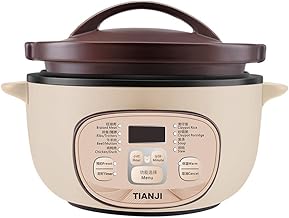 |
DSG-TZ30 Electric Clay Pot Slow Cooker
Electric clay pot slow cooker
3L capacity Ceramic casserole pot with unglazed porcelain |
DSG-TZ30 Electric Clay Pot Slow Cooker combines electric cooking with traditional clay-pot styling. Its standout detail is an unglazed porcelain ceramic casserole cooking pot. The 3L capacity suits claypot rice, casserole dishes, and porridge preparation. That combination differs from ordinary cookware designed for only one cooking approach.
For everyday meals, the electric format suits slow-cooked rice and comforting porridge. A 3L interior gives home cooks useful room for family-style portions. The pot also supports casserole cooking when a meal needs a contained vessel. Its listed stove suitability adds another placement option during kitchen preparation.
Unglazed porcelain gives the cooking vessel a distinct ceramic construction. The casserole-pot design keeps the product focused on contained, gradual cooking tasks. Its electric slow-cooker format avoids treating it like a basic serving bowl. Stove suitability may also help households planning meals around existing cookware arrangements.
Home cooks wanting claypot rice and porridge may appreciate this focused design. It fits buyers seeking one vessel for several traditional comfort-food preparations. The 3L size makes more sense for regular household cooking than oversized gatherings. Consider it for claypot rice on a quiet family dinner evening.
Best for: Home cooks preparing claypot rice, casserole dishes, and porridge in a 3L electric ceramic pot.
What We Like:
- Electric cooking format suits slow preparation of claypot rice and porridge.
- Unglazed porcelain ceramic construction gives the cooking pot a traditional material profile.
- Three-liter capacity supports practical household-sized cooking tasks.
What Could Be Better:
- The 3L capacity may feel limited when preparing food for larger gatherings.
| Specification | User Benefit |
|---|---|
| Type: Electric clay pot slow cooker | Supports slow-cooking tasks without relying solely on conventional cookware. |
| Capacity: 3L | Provides useful room for household portions of rice, porridge, or casseroles. |
| Material: Ceramic casserole pot with unglazed porcelain | Offers a ceramic cooking vessel with a distinctive unglazed porcelain surface. |
| Suitable for: Stove | Gives cooks another placement option when organizing meal preparation. |
| Cooking uses: Claypot rice and casserole porridge | Matches the pot with several familiar comfort-food cooking tasks. |
Factors to Consider When Choosing a donabe rice cooker
A good choice depends on capacity, cooking surface, lid design, and care requirements. Clay cookware rewards patience, so setup habits matter before purchase. The following factors help match a pot with your kitchen routine.
Choose Capacity For Your Household
Start with the amount of rice your household usually prepares. Smaller pots suit solo meals, while larger vessels support family servings.
Capacity labels can cause confusion because cooked servings differ between manufacturers. Leave room for steam expansion instead of filling the pot completely.
Check Lid Design And Steam Control
Double lids can hold steam steadily during cooking and resting. Inner lids may help control bubbling when preparing porridge or mixed rice.
A secure lid also reduces splashing during active simmering. Before choosing, check how easily each lid lifts, nests, and stores.
Match The Cooking Surface
Many clay pots work on gas burners, while some exclude electric cooktops. Always match the cookware instructions with your kitchen equipment.
Sudden temperature changes can stress ceramic cookware and cause damage. Gentle heating helps the vessel warm evenly during everyday meal preparation.
Plan For Cleaning And Drying
Clay cookware usually needs hand washing rather than dishwasher cleaning. Mild soap, soft sponges, and complete drying help prevent lingering odors.
Some cooks find the care routine slower than electric alternatives. A ventilated storage area makes regular use more convenient between meals.
Look For Useful Included Tools
Measuring cups, paddles, trivets, and English instructions simplify the first cooking sessions. These additions reduce guesswork when learning water proportions and timing.
Included accessories also reduce the need for separate kitchen purchases. Still, confirm exactly which tools come with each listed configuration.
Consider Cooking Versatility
Some donabe pots handle rice, soup, hotpot meals, and porridge. Broader use can justify storage space in a smaller kitchen.
Specialized rice pots may provide simpler routines and predictable portions. Pick versatility when you want one vessel supporting several weekly meals.
Frequently Asked Questions
Can a donabe rice cooker work on every stovetop?
Not every clay pot suits every stovetop type. Check the manufacturer instructions before using induction or electric heating.
Should I soak rice before cooking it?
Many recipes benefit from rinsing and soaking rice beforehand. Follow the included instructions for timing, water, and grain varieties.
Can donabe cookware go inside a dishwasher?
Most traditional clay cookware requires gentle hand washing. Dishwasher heat and detergents may stress surfaces or leave lingering odors.
How should I dry a clay rice cooker?
Dry the pot, lids, and interior thoroughly after washing. Air circulation helps prevent trapped moisture during storage.
Can I cook foods besides rice?
Many donabe vessels also handle porridge, soup, hotpot meals, and mixed grains. Confirm the cooking instructions before trying unfamiliar recipes.
Are double lids necessary for fluffy rice?
Double lids can improve steam retention and cooking consistency. They are helpful, though careful heat control remains equally important.
What size donabe suits one person?
A small single-serving vessel suits individual meals and compact kitchens. Choose larger capacity when leftovers or shared meals matter more.
Conclusion
The best donabe rice cooker balances capacity, lid design, cooking compatibility, and care needs. Select a smaller vessel for individual portions, or choose greater capacity for shared meals. Double lids and inner lids can improve steam control, while included tools simplify early use. Clay cookware requires gentle heating, hand washing, and careful drying. Those habits become easier when the pot fits your regular kitchen routine. Compare the listed choices with your stovetop, storage space, and favorite recipes. A thoughtful match can bring tender rice and comforting one-pot meals to your table.