
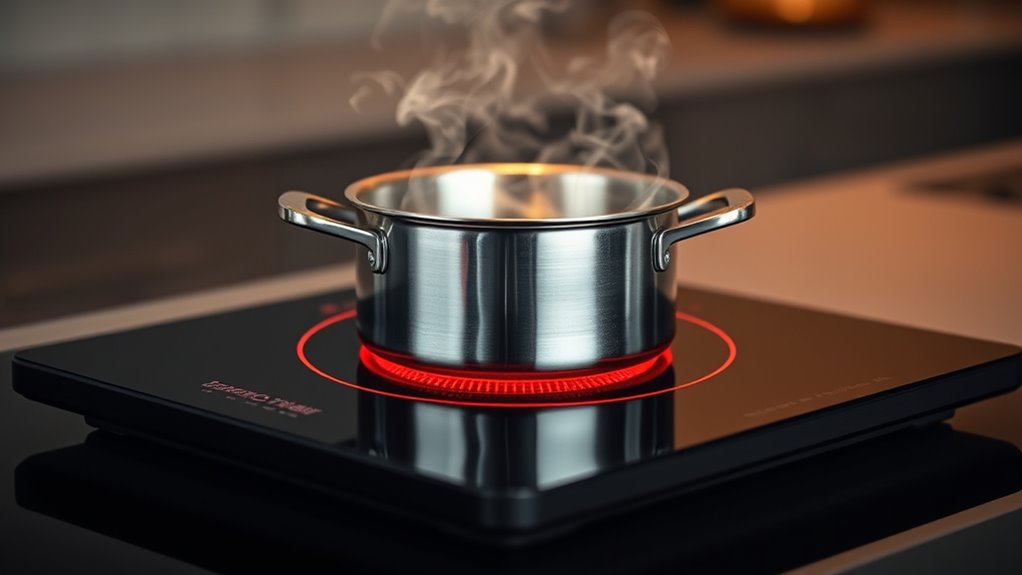
How Does an Induction Hot Plate Work?
Struggling to find a fast, efficient way to cook without heating up your entire kitchen? You’re not alone. Many people want the convenience of a traditional stove with better temperature control, easier cleanup, and less wasted energy. The best induction hot plates can help deliver all three.
An induction hot plate heats your pan with electromagnetic energy instead of a burner. When you turn it on, high-frequency current flows through a copper coil, creating a rapidly changing magnetic field.
If you place compatible ferromagnetic cookware on the surface, the field generates eddy currents in its base, and resistance converts those currents into heat. Sensors and controls adjust power, detect the pan, and prevent overheating.
Keep going to learn which cookware works best and how to cook efficiently.
Key Takeaways
- An induction hot plate sends high-frequency alternating current through a copper coil beneath its glass surface.
- The coil creates a rapidly changing magnetic field that induces eddy currents in compatible cookware.
- Resistance within the cookware converts those electrical currents directly into heat in the pan’s base.
- Induction heats cookware efficiently without primarily heating the cooking surface, enabling rapid temperature control.
- Only flat, ferromagnetic cookware works properly. Sensors detect the pan and help regulate temperature and safety.
How Does an Induction Hot Plate Work?
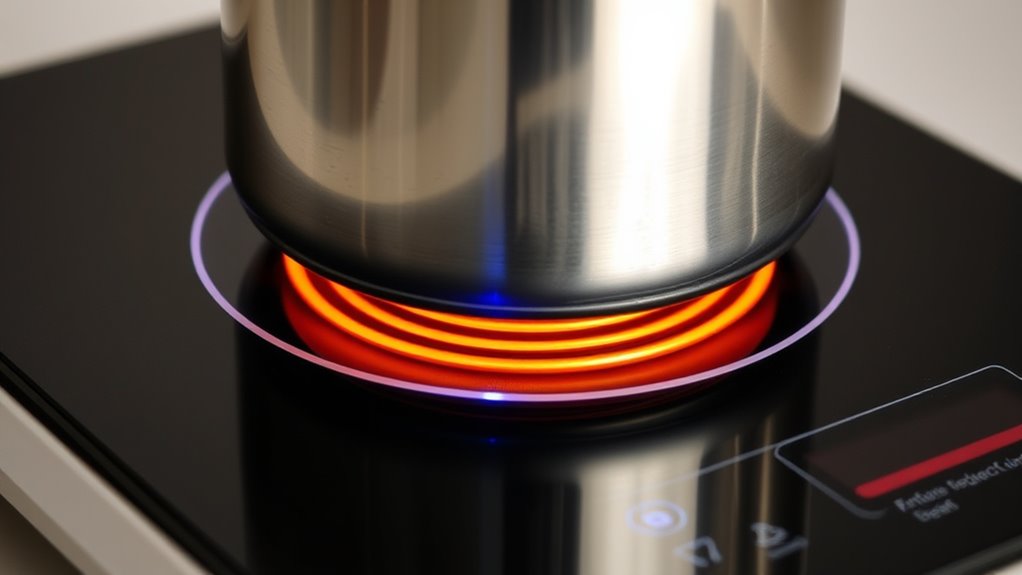
An induction hot plate uses electromagnetic energy to heat compatible cookware directly instead of heating a burner surface first. When you place a suitable pan on the cooking area and select a temperature, the unit transfers energy into the pan’s base. The pan then produces heat, which cooks your food efficiently.
Induction hot plates heat compatible cookware directly, delivering efficient cooking with rapid, precise temperature control.
You’ll notice quick heating because little energy gets lost between the appliance and the cookware. This direct process supports Energy conservation, helping you use less electricity than many traditional electric cooking methods.
Since the surrounding surface stays relatively cooler, you can also wipe spills more easily after cooking.
Your results depend on using cookware with a magnetic base, such as cast iron or magnetic stainless steel.
With adjustable power levels and precise temperature control, you gain Cooking versatility for simmering sauces, boiling water, searing meat, or keeping dishes warm.
You can use an induction hot plate in small kitchens, offices, outdoor areas, or anywhere you need a portable cooking solution.
Which Parts Make Induction Heating Work?
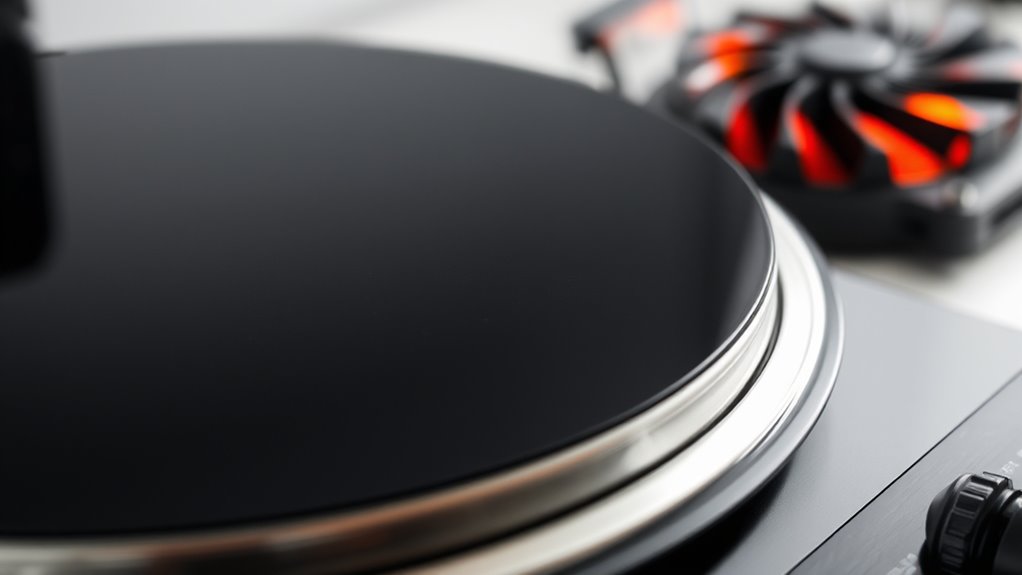
Several key components work together to create induction heating. When you use an induction hot plate, each part supports fast, controlled cooking without relying on an exposed flame or glowing element. Together, these components also improve Cooking safety and energy efficiency.
- Control panel: You select the temperature, power level, timer, and other settings here. Electronic controls adjust operation precisely and may include automatic shutoff features.
- Power supply and inverter: Electricity enters the appliance, where the inverter changes it into the high-frequency current required for induction operation. Sensors monitor performance and help protect the unit from overheating.
- Glass-ceramic cooktop and sensors: The durable surface supports compatible cookware and remains relatively cool compared with traditional electric surfaces. Temperature and pan-detection sensors can stop heating when you remove the pan or use an unsuitable one.
The housing, cooling fan, insulation, and control circuitry complete the system. You’ll get the best results when you keep the surface clean and follow the manufacturer’s cookware guidelines.
How Does the Copper Coil Create Heat?
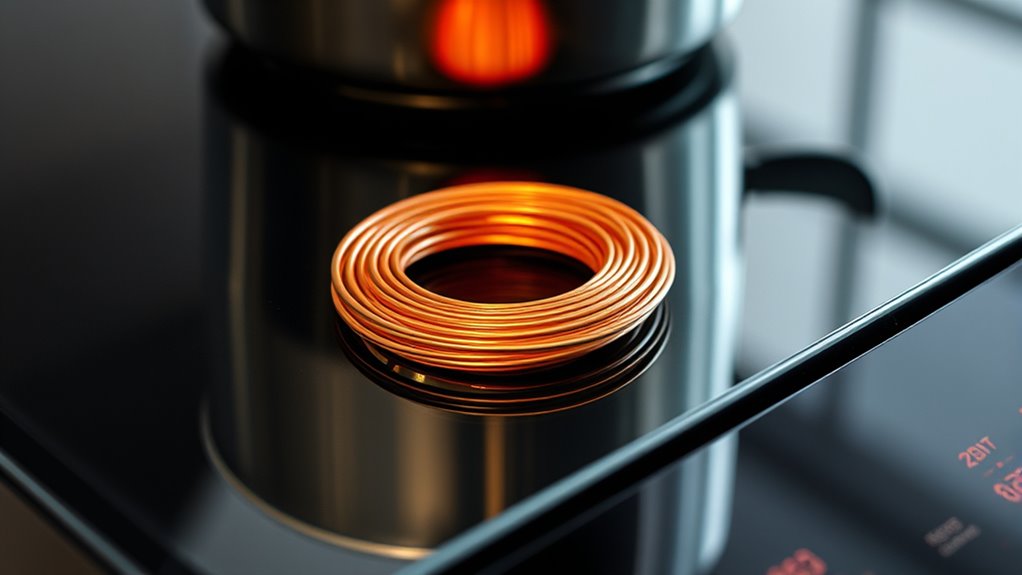
When you turn on an induction hot plate, high-frequency alternating current flows through its copper coil, creating a rapidly changing magnetic field. The coil itself doesn’t become the primary heat source.
Instead, its changing field induces circulating electrical currents in a suitable cooking vessel. Electrical resistance within that vessel converts the current’s energy into heat, while the coil transfers energy without direct contact.
Copper conductivity makes the coil especially effective. Copper carries high-frequency current efficiently, so the coil can produce a strong, controlled magnetic field with relatively little energy lost as heat.
However, some resistance remains, and the coil can warm during operation. Sensors and ventilation help manage that temperature.
As the vessel heats, thermal expansion causes its metal to grow slightly. That expansion doesn’t create the heat; it shows how absorbed electrical energy becomes thermal energy.
Your hot plate adjusts power by changing the current’s strength or frequency, allowing precise heating while limiting wasted energy and protecting internal components.
Why Must Induction Cookware Be Magnetic?
You need magnetic cookware because an induction cooktop creates a changing magnetic field that interacts with the pan’s base. Materials such as cast iron and some types of stainless steel are ferromagnetic, so they respond by producing electrical currents.
Those currents generate heat directly in the pan, allowing it to warm quickly while the cooktop surface remains relatively cool.
Magnetic Field Interaction
An induction hot plate creates a rapidly changing magnetic field beneath its glass surface, which interacts directly with magnetic cookware. When you place a suitable pan above the coil, the field passes through its base and drives electric currents inside the metal.
This process, called Electromagnetic induction, produces heat within the pan rather than beneath it. You can understand the interaction through three connected effects:
- The coil generates an alternating magnetic field.
- The cookware responds by forming circulating electrical currents.
- Resistance within the pan converts those currents into cooking heat.
This action resembles Magnetic resonance because the cookware responds to an alternating energy field, although it isn’t the same phenomenon. You’ll notice efficient heating because energy transfers directly into the pan, while the glass surface receives *relatively* little heat from the process.
Ferromagnetic Material Requirements
That direct energy transfer depends on the cookware’s magnetic properties. When you place a ferromagnetic pan on an induction hot plate, its iron-based structure responds to the cooktop’s changing magnetic field.
This response lets the pan interact with the field instead of merely sitting above it. You’ll usually get reliable compatibility from cast iron, carbon steel, and many stainless-steel pans designed for induction cooking.
However, aluminum, copper, glass, and ordinary ceramic cookware won’t respond unless they include a magnetic base. Check the manufacturer’s label or hold a magnet against the pan’s bottom: if it sticks firmly, the cookware will likely work.
Material compatibility matters, so you should confirm the pan’s construction before using it. A flat, properly sized base also helps the cookware sit securely on the cooking surface.
Efficient Heat Generation
Efficient heat generation starts when the magnetic field induces electrical currents directly inside compatible cookware. If your pan contains ferromagnetic metal, those currents meet resistance and produce heat throughout its base. A nonmagnetic pan won’t respond effectively, so the hot plate can’t transfer energy efficiently.
- Faster cooking: Heat forms in the pan rather than traveling from a burner through glass or metal, reducing wasted energy.
- Precise control: You can adjust power quickly, helping food reach the desired temperature without prolonged heating.
- Better efficiency: Less residual heat escapes into your kitchen, improving comfort and supporting Energy conservation.
This direct process can reduce cooking time and electricity use compared with conventional electric heating. Consequently, you may lower your environmental impact while enjoying consistent results. Always check cookware compatibility with a magnet before using an induction hot plate.
How Does an Induction Hot Plate Heat a Pan?
When you turn on an induction hot plate, its coil produces a rapidly changing magnetic field. If your pan is magnetic, that field creates electrical currents inside the metal. The pan’s resistance then turns those currents into heat, which cooks your food.
Magnetic Field Generation
An induction hot plate generates heat by sending a rapidly alternating electric current through a coil beneath its glass surface, creating a changing magnetic field. When you place compatible cookware above it, the field couples with the pan’s metal base without directly heating the glass.
You can understand this process through three key points:
- The control circuit switches current through the coil thousands of times per second.
- The coil’s magnetic field rises and falls rapidly, reaching the cookware through the ceramic surface.
- The pan’s magnetic response depends on its material, thickness, and position.
This operation resembles magnetic resonance, though it’s designed for cooking rather than communication or imaging. Careful shielding and filtering also help limit electromagnetic interference near other devices.
Because the field remains localized beneath the pan, you get efficient, responsive heating with minimal wasted energy.
Eddy Currents Heat Pan
As the alternating magnetic field passes through a compatible pan, it induces circulating electrical currents in the pan’s metal base. These eddy currents encounter resistance as they flow through the metal, converting electrical energy into heat.
Because the heat forms directly in the pan, you don’t need a separate burner to transfer warmth through air or a hot surface. Your cookware heats quickly and responds almost immediately when you adjust the power.
The pan’s material and thickness affect heating speed, so use induction-ready cookware with a magnetic base. This direct process improves energy efficiency by minimizing wasted heat around the pan.
It also supports cooking safety: the hot surface mainly comes from the pan itself, while many induction plates automatically reduce power or shut off when you remove the cookware.
Why Do Induction Hot Plates Cook So Quickly?
Induction hot plates cook so quickly because they heat the cookware directly instead of warming a burner first. You get faster energy transfer, so the pan reaches cooking temperature with less wasted heat.
Since the glass surface doesn’t need to become hot before heating your pan, you can start cooking almost immediately.
Three features improve cooking speed:
- Direct heating: A magnetic field creates heat inside compatible cookware, rather than sending heat through several layers.
- Efficient contact: The pan’s base receives energy across its surface, helping food heat evenly and quickly.
- Less heat loss: Heat stays concentrated in the cookware instead of spreading through the air or a separate burner.
You’ll notice the difference when boiling water, sautéing vegetables, or searing meat. Induction technology can deliver strong heat with impressive efficiency, reducing waiting time during everyday meals.
Your pan responds quickly because the heating process begins where you need it: inside the cookware itself. That focused process helps you cook faster while using less energy overall.
How Does Induction Control Power and Temperature?
You control heat by adjusting the hot plate’s magnetic field, which changes how much energy reaches your cookware. It quickly adjusts the power level to maintain your chosen setting. A temperature sensor provides feedback, so the unit can respond when conditions change.
Magnetic Field Adjustment
An induction hot plate adjusts power by rapidly switching the magnetic field on and off, changing how much electrical energy reaches the cookware. You control this process through the unit’s settings, while sensors monitor pan temperature and help maintain your target heat. The electronics regulate coil behavior without producing a direct flame.
- A copper coil creates the changing magnetic field beneath the pan.
- The pan’s magnetic material converts that field into circulating electrical currents and heat.
- Sensors detect temperature changes, allowing the controller to adjust field strength and timing.
Proper design limits magnetic interference with nearby electronics and supports electromagnetic compatibility. You should use suitable cookware and keep sensitive devices away from the cooking surface.
The controller also responds to pan presence, reducing energy when you lift or remove the pan. This feedback helps you cook consistently while protecting the appliance, cookware, and surrounding equipment.
Power Level Switching
Power level switching controls heat by changing how long the induction coil energizes and how much power it delivers during each cycle. When you choose a lower setting, the electronics shorten each heating burst or increase the pauses between them.
Higher settings create longer bursts, deliver more energy, or both. This rapid switching lets you adjust cooking intensity without mechanically changing the magnetic field.
You select the desired level through the user interface, while the control circuit translates your input into timed electrical pulses. The pan receives energy in measured intervals, helping you simmer, sauté, or boil with greater control.
Efficient switching also supports energy conservation because the coil doesn’t draw maximum power continuously. Your chosen setting determines the average heat delivered, while cookware and food determine how quickly temperatures change.
Temperature Sensor Feedback
Timed power bursts set the average heat, but temperature feedback helps the cooktop respond as conditions change. A sensor monitors the cookware’s temperature, detects overheating, and signals the control board to shorten or pause induction pulses.
When the pan cools, the system restores power, helping you maintain steadier simmering without constant adjustments.
- Cooking safety: Use compatible, flat cookware and keep the sensor area clear. The system can reduce output, but you should still supervise food and avoid empty-pan heating.
- Better control: Sensor feedback compensates for changing ingredients, pan materials, and room conditions, so selected settings feel more consistent.
- Maintenance tips: Wipe spills after the surface cools, clean around vents, and never cover sensors with foil or wet cloths.
Some models sense pan temperature indirectly through the glass, while others use built-in or pan-mounted probes. Either approach improves responsiveness, efficiency, and protection against excessive heat.
What Safety Features Do Induction Hot Plates Have?
Induction hot plates use built-in safeguards to help prevent burns, overheating, and accidental operation. You’ll often find an automatic shutoff that turns the unit off after inactivity or when it detects an unsafe condition. Many models also stop heating if you remove the pan, reducing wasted power and supporting Energy conservation.
A control lock or child-lock setting can prevent you from changing temperatures accidentally, which improves user safety around children and busy cooking areas. Some units include overheat protection that monitors internal electronics and pauses operation if temperatures rise too high.
Residual-heat indicators may warn you that the cooking surface remains hot after you switch the unit off, even though induction heats the pan directly. You can also use timers to limit cooking time and prevent unattended heating.
Stable feet, cool-touch handles, and insulated housings help reduce contact and spill risks. Before cleaning or storing your hot plate, you should unplug it and let every component cool completely.
Which Cookware Works on an Induction Hot Plate?
For an induction hot plate to heat your cookware, the pan must contain a magnetic metal base, such as cast iron or magnetic stainless steel. Test your pan with a magnet: if it sticks firmly to the underside, the pan will usually work.
Choose cookware with a flat, smooth base so it sits securely and contacts the heating surface evenly.
- Cast iron: It heats effectively, but lift it instead of sliding it to prevent scratches.
- Magnetic stainless steel: Look for induction-compatible labeling, since some stainless-steel blends aren’t magnetic.
- Enameled iron and compatible multilayer pans: These combine induction performance with easier cleaning.
Avoid aluminum, copper, glass, and ceramic pans unless they include a magnetic induction plate. Check the manufacturer’s instructions before use, especially with coated cookware.
Good cookware maintenance includes cleaning spills after the surface cools and checking bases for warping or damage. For cooking safety, keep handles stable and use only cookware that matches your hot plate’s size.
How to Cook Efficiently on an Induction Hot Plate
Once you choose a compatible pan, you can cook efficiently by matching the heat setting to the task and adjusting it promptly. Start with medium power for sautéing, then lower the setting as the pan heats. Induction responds quickly, so you won’t need maximum heat for most recipes.
Preheat briefly, add ingredients, and avoid leaving an empty pan on the cooking surface. Keep the pan centered to maintain consistent heating, and use a lid when appropriate to retain heat and shorten cooking time.
Cut ingredients into similar sizes so they cook evenly, and prepare everything before turning on the hot plate. These habits support energy conservation without slowing your meal.
For user safety, use dry, heat-resistant handles and keep cords away from hot surfaces. Don’t touch the glass immediately after cooking, because it can remain hot from the pan.
Switch the unit off when you finish, and let it cool completely before cleaning.
Frequently Asked Questions
How Much Electricity Does an Induction Hot Plate Use?
An induction hot plate typically uses 1,200 to 1,800 watts while heating, so one hour consumes 1.2 to 1.8 kilowatt-hours. You’ll use less electricity when cooking for shorter periods or at lower settings.
Because induction heats cookware directly, its Power efficiency often exceeds that of conventional electric burners, reducing overall Energy consumption. Check your model’s wattage, multiply it by cooking hours, then divide by 1,000 to estimate kilowatt-hours and calculate your cost.
Are Induction Hot Plates Noisy During Operation?
Induction hot plates are usually quiet, though they may hum, buzz, or click. Your countertop won’t suddenly audition for a rock band.
Noise levels typically remain low, especially at lower settings. You might hear the cooling fan, cookware vibrations, or occasional sounds as the unit cycles power.
Sound frequency varies by model, pan size, and cooking level. If you notice loud rattling or harsh buzzing, check that your cookware sits flat and centered.
How Do You Clean an Induction Hot Plate Safely?
Unplug the induction hot plate and let it cool completely before cleaning. For cleaning safety, wipe the glass surface with a soft, damp cloth and mild dish soap; never immerse the unit or pour liquid over it.
Remove stubborn residue with a cooktop scraper, holding it at a shallow angle. Practice spill prevention by keeping liquids away from controls and vents.
Dry everything thoroughly before reconnecting, and avoid abrasive pads, harsh chemicals, and metal scouring tools.
Can Induction Hot Plates Be Used Outdoors?
Yes, you can use an induction hot plate outdoors, but choose a dry, sheltered location and follow the manufacturer’s instructions. You’ll need a suitable electrical outlet, stable surface, and protection from rain, splashes, dust, and strong wind.
Don’t leave the appliance unattended or operate it during storms. Check its Outdoor durability and Weather resistance ratings before buying, because many household models aren’t designed for outdoor exposure.
Clean and store it indoors afterward.
How Long Do Induction Hot Plates Typically Last?
You can typically expect an induction hot plate to last 5–10 years, like a steady kitchen companion that quietly earns its place.
Your usage, cleaning habits, ventilation, and build quality affect its lifespan. Energy efficiency helps reduce heat stress and operating costs, while safety features, such as automatic shutoff and overheat protection, support reliable performance.
You’ll extend its life by avoiding spills, using compatible cookware, and storing it carefully between uses.
Conclusion
An induction hot plate heats your pan through magnetic energy, not a glowing burner. When you place compatible cookware on its copper coil, swirling currents generate heat directly in the pan, like an invisible flame beneath the surface.
You’ll get fast, precise cooking with less wasted energy. By choosing magnetic cookware, adjusting power carefully, and using built-in safety features, you can cook efficiently, confidently, and safely with an induction hot plate every time.